The Circular Polybag Pilot
The aim of the pilot was to tackle the environmental issues caused by virgin polybags in the fashion industry. This industry-first pilot aimed to create a closed-loop recycling solution for polybags, using post-consumer polybag waste and achieving a high level of recycled content suitable for industry needs.
What's the challenge?
Every year, 180 billion polybags are produced globally, and less than 15% are recycled. Most recycled polybags rely on pre-consumer waste, which is not a fully circular solution. This pilot aimed to address this by creating polybags from post-consumer waste to close the loop and reduce dependence on virgin polybags.
Executive Summary
The Circular Polybag Pilot was launched in December 2019 by Fashion for Good in collaboration with brand partners adidas, C&A, Kering, Otto Group, PVH Corp. The pilot tested a circular solution for polybags using Cadel Deinking’s technology. The project successfully demonstrated that polybags made from 100% recycled content (80% post-consumer and 20% post-industrial) could meet industry standards. The project was able to significantly reduce the environmental impact of polybags, showing that circular polybags could have one-fifth the impact of virgin polybags.
Goals of the Project
-
Test the feasibility of creating polybags from 100% recycled content, using post-consumer waste.
-
Develop a fully circular “bag-to-bag” concept where polybags are recycled back into new polybags.
-
Reduce the environmental impact of polybags compared to virgin plastic production.
-
Scale the solution through partnerships and demonstrate its viability in various regions and industries.
-
Project Results
-
The polybags produced contained 100% recycled content: 80% post-consumer and 20% post-industrial.
-
The pilot successfully validated a circular “bag-to-bag” system that met stakeholder specifications.
-
The circular polybags were shown to have one-fifth the environmental impact of virgin polybags, according to a fast-tracked LCA using the Delft University of Technology’s eco-cost methodology.
-
Cadel Deinking’s technology was expanded globally to the UK, USA, France, Italy, and Brazil, contributing to the launch of Mainetti’s Polyloop recycling process.
Innovation Partners


Project Partners

Implementation Partners

Relevant Resources

Fashion for Good Launches a Pilot to Produce a Circular Polybag
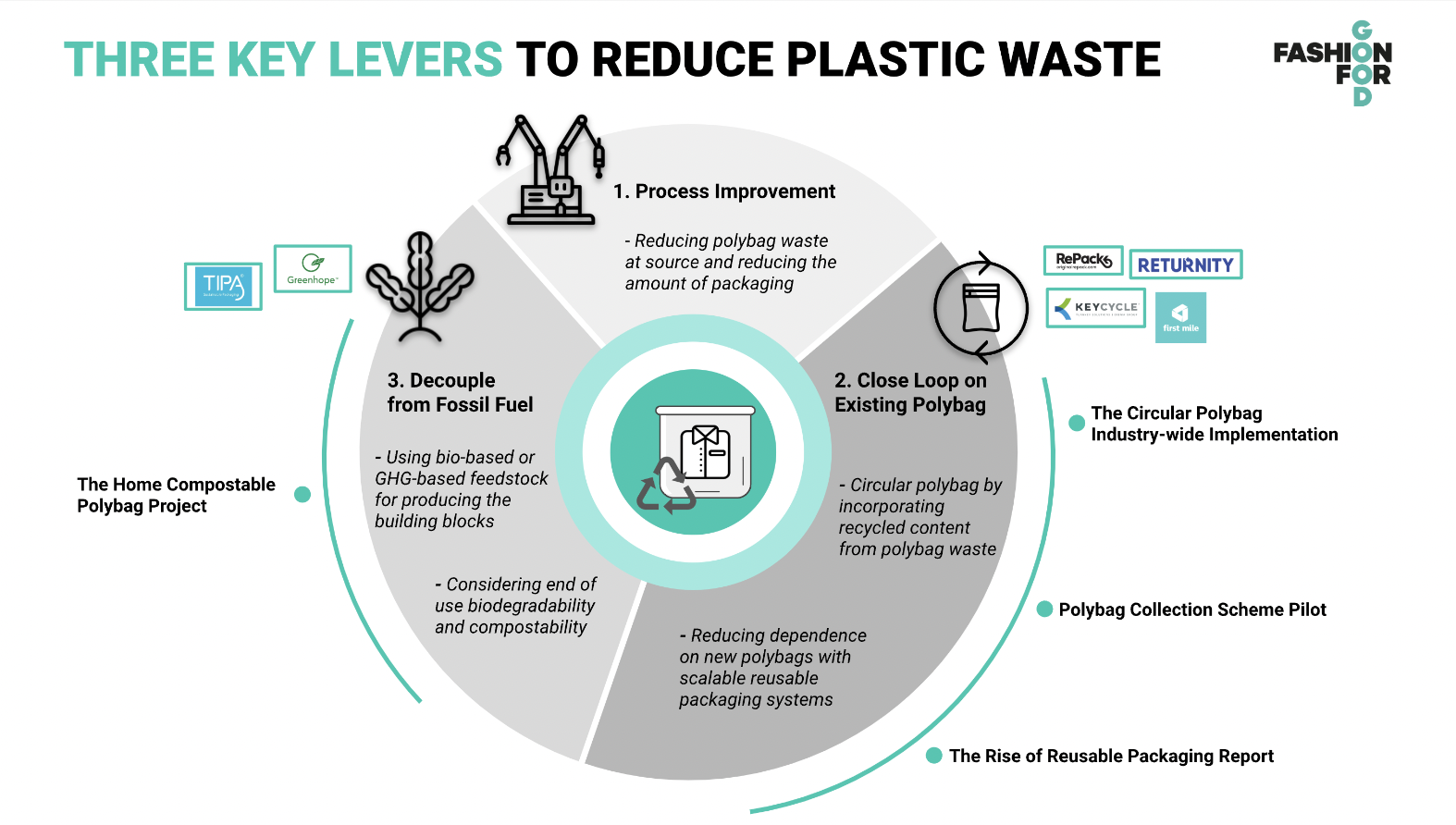
Unpacking the Packaging Problem: Solutions and Strategies
Fashion for Good Launches the Home-Compostable Polybag Project

Fashion for Good's Newest Project with BESTSELLER, Inditex, and Reformation Prototypes Kintra Fibers' Biobased Polyester
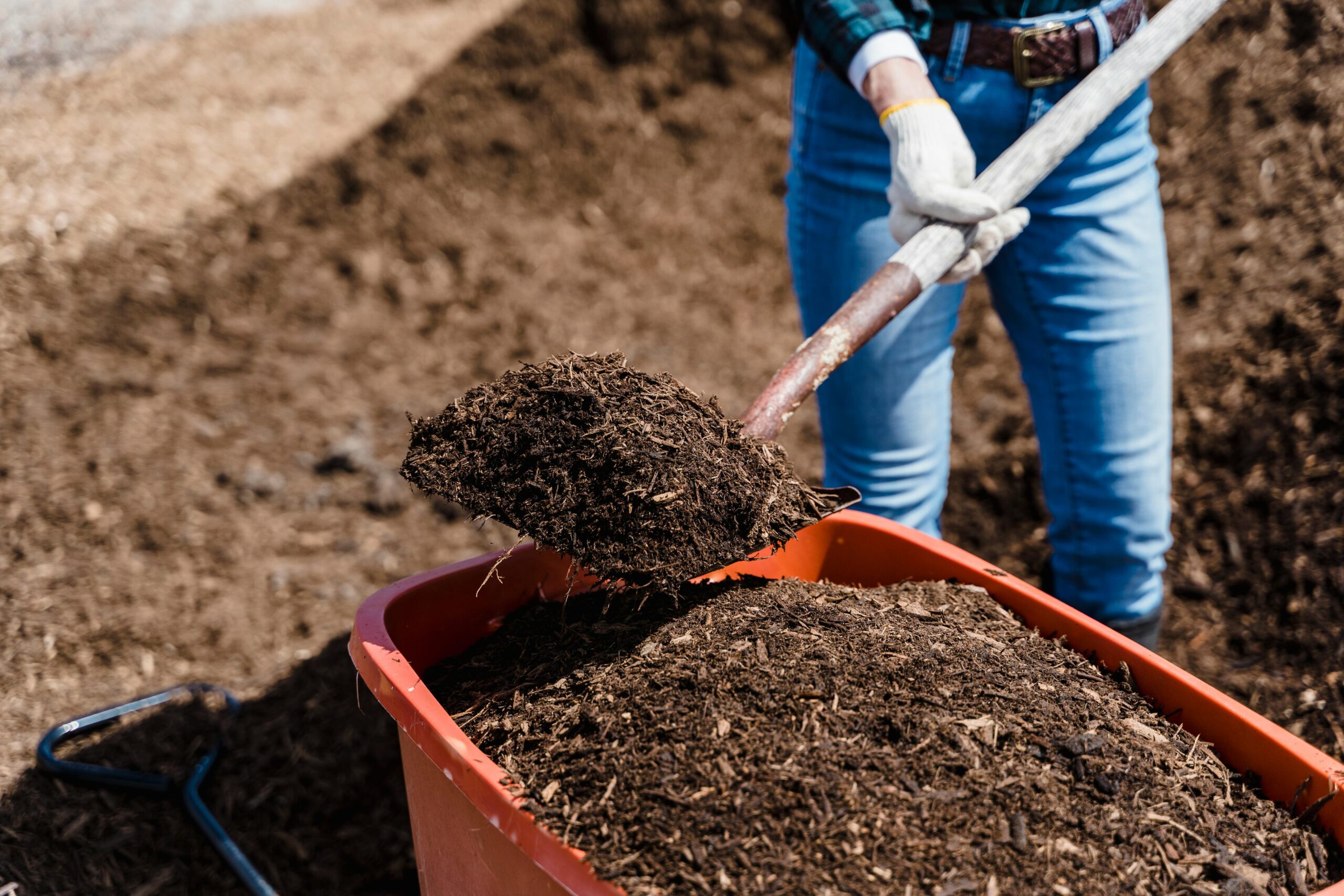
The Home Compostable Polybag Project
Fashion for Good launches the home-compostable polybag project
Fashion for Good launches the Home-Compostable Polybag Project, a pilot to test alternatives to conventional single-use polybags,

Fashion for Good’s Latest Project Spotlights Polyester Recycling
The writing is on the wall for polyester and its crude oil origins. Today, Amsterdam-based innovation firm Fashion for Good announced a new polyester-focused project, Full Circle Textiles Project – Polyester, borrowing from the findings in its Full Circle Textiles Project, which launched formally in September. The current project aims to validate and scale up promising technologies in polyester recycling. [SUBSCRIPTION REQUIRED]
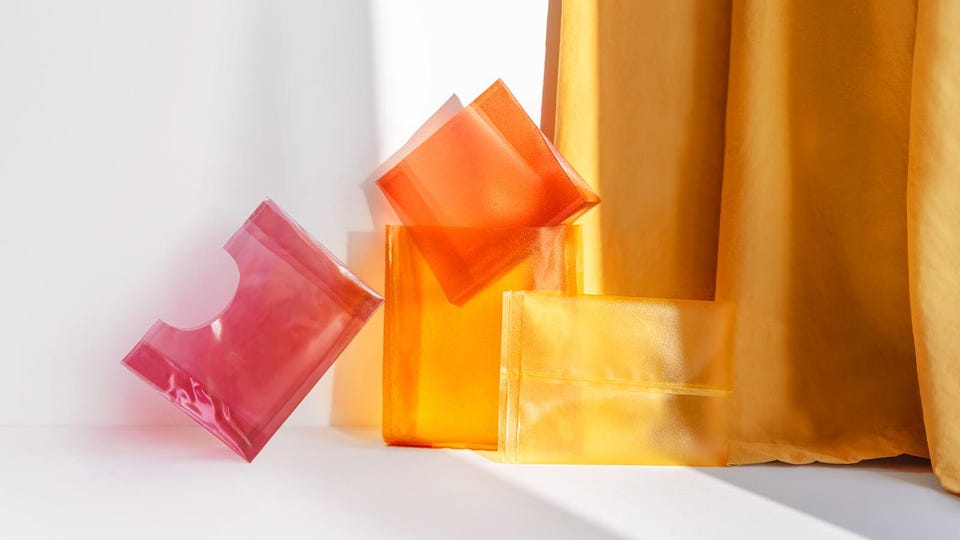
Seaweed-Based Sway Against Single-Use Plastic Packaging
Annually, we use about about 500 billion plastic bags to store, transport, and protect garments, footwear and accessories. Less than 15% of polybags in circulation are collected for recycling, according to Fashion for Good. However, if the startup Sway has its way, more thin film packaging like polybags, retail bags, and wrappers will be compostable and even carbon negative. The packaging company makes seaweed-based, home-compostable replacements for plastic packaging, which even come in bright, cheerful colours.
Fashion for Good launches pilot to make circular polybag
Fashion for Good in partnership with Adidas, C&A, Kering, Otto Group, PVH Corp, and Cadel Deinking, has launched a new pilot project—The Circular Polybag Pilot, which will explore a solution to reduce use and impact of virgin polybags in fashion industry. The pilot is a first in apparel industry to trial a truly circular solution for polybags.

Podcast: Are Polybags Still in Fashion?
Ashley Holding, innovation manager at Fashion for Good and Adam Gendell, associate director of GreenBlue’s flagship project, the Sustainable Packaging Coalition, discuss findings from their joint whitepaper.
Other Projects
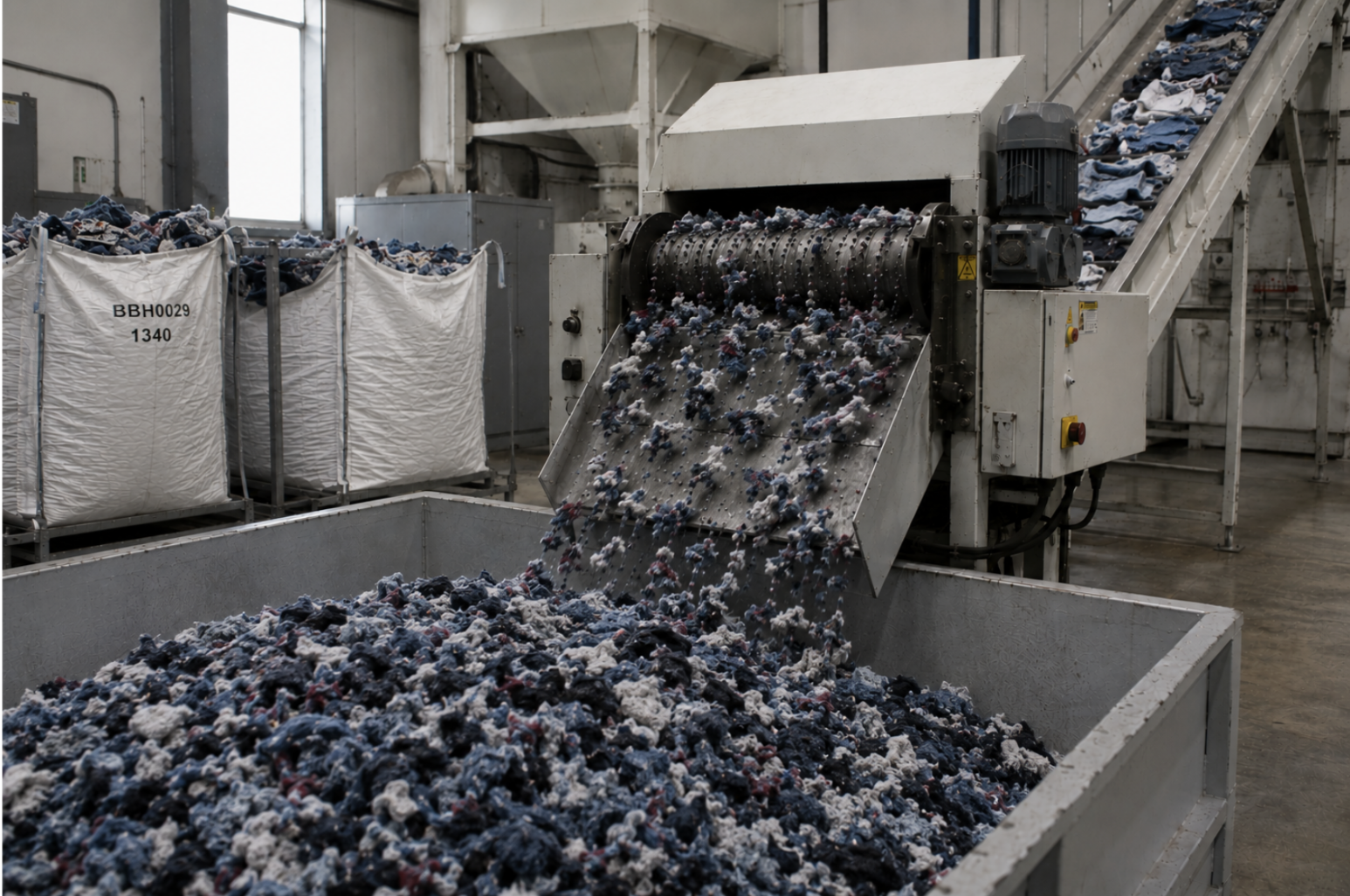
Cotton Reloop Matrix
The Cotton Reloop Matrix Project maps and validates what mechanically recycled cotton fibre and yarn can currently deliver against real-world brand specifications, while collaborating with the supply chain to establish a Standard Operating Procedure (SOP) for handling and processing recycled fibres, building the shared, objective view needed to close that gap.

DW(O)R-X
Durable water- and oil-repellent repellency (DW(O)R) finishes are chemical treatments applied to textiles and footwear to keep materials dry, clean, breathable, and durable. Historically, these finishes have relied on per- and polyfluoroalkyl substances (PFAS). However, PFAS are highly persistent, accumulate in the environment and in human bodies, and are associated with harmful health and ecological effects. Increasing regulatory restrictions, combined with brand sustainability commitments and rising consumer awareness, are accelerating the shift toward PFAS-free alternatives.
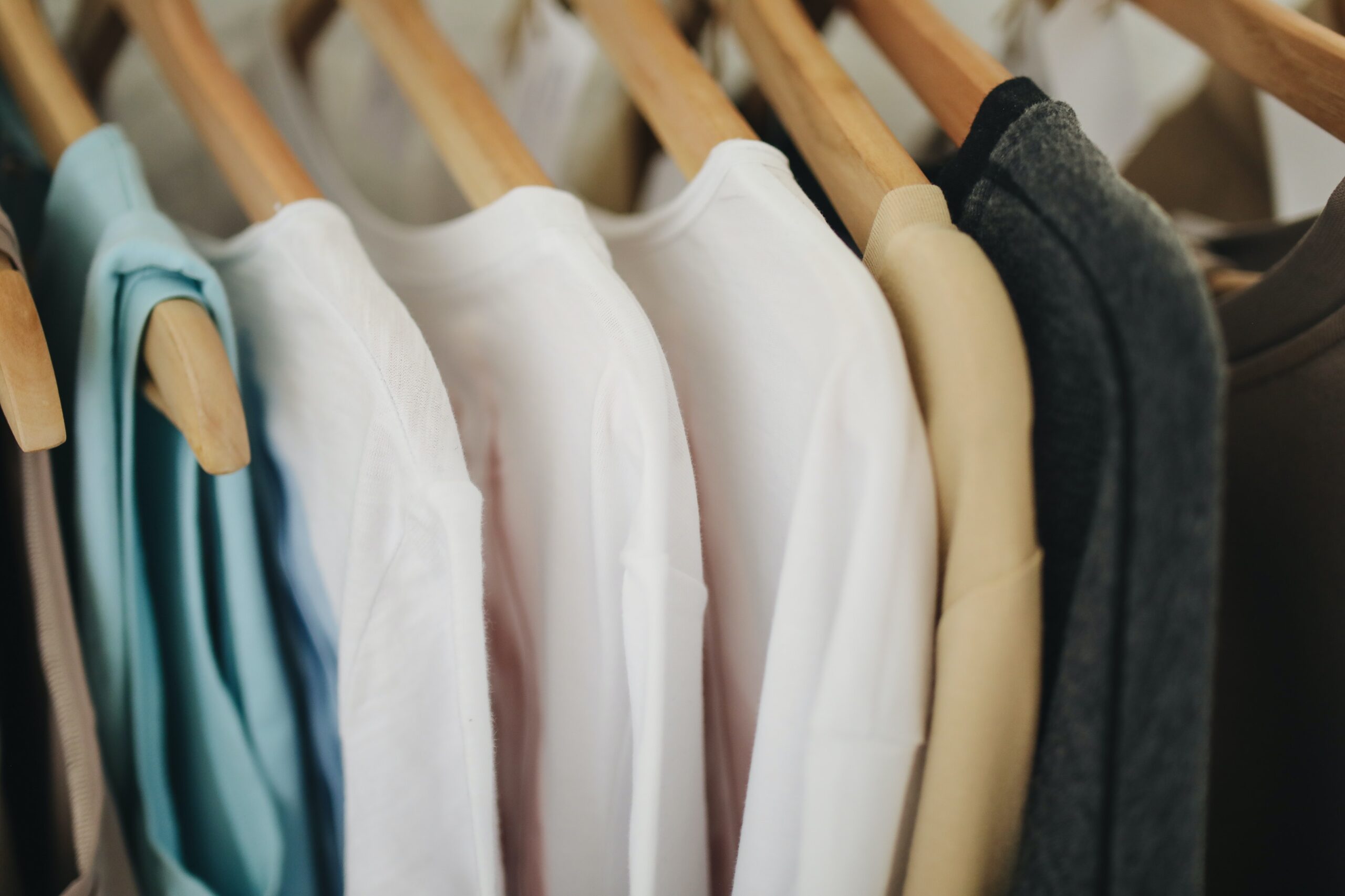
Sorting for Circularity Rewear
Fashion for Good expanded its Sorting for Circularity framework to address the challenge of sorting for rewearable textiles to understand better their resale potential and the demand across the second-hand market. We launched an 18-month initiative in January 2024 in collaboration with Circle Economy, brand partners adidas, Inditex, Levi Strauss & Co. and Zalando to enhance the sorting of rewearable textiles using innovative AI technologies. The project seeks to improve garment recovery for resale, promoting circularity in the fashion industry.
