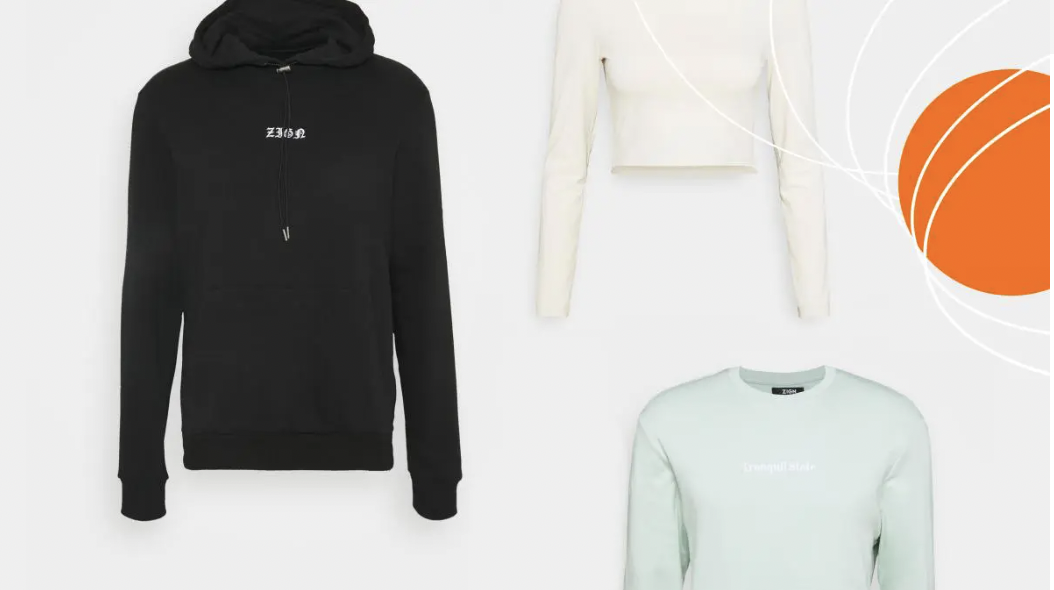
Piloting a Circularity Solution in E-commerce
This project was led by Fashion for Good, together with Zalando and circular.fashion, a Fashion for Good alumni innovator. The objective was to test the circularity.ID, a traceability solution designed by circular.fashion to increase resale and recycling opportunities for clothing at scale.
What's the challenge?
E-commerce platforms face significant challenges in implementing circularity within their operations. Current systems for managing returns and unsold inventory often lead to inefficiencies and waste, limiting the ability to recirculate products effectively. As consumer demand for sustainable practices grows, and regulatory pressures increase, e-commerce players must adopt scalable solutions that promote circularity by extending product life cycles and reducing environmental impact.
Executive Summary
This project kicked off in 2020 and aligned with Zalando’s do.MORE sustainability strategy, integrating circularity principles into its supply chain and private label, Zign. Consumers were able to access product details, care instructions, and end-of-use options via a QR code on garments powered by the circular.fashion circularity.ID. This is an open data standard that seeks to improve product transparency, and support e-commerce and recycling. Via the circularity.ID, unwearable items can be directed to recyclers through circular.fashion’s network. By testing the scalability of circularity.ID, this project demonstrated the potential for technology to empower textile recycling infrastructure, helping to advance a circular fashion system.
Goals of the Project
-
Develop scalable solutions for managing returned and unsold inventory in e-commerce.
-
Test innovative circularity practices to optimise recirculation processes.
-
Provide recommendations for industry-wide implementation of sustainable logistics practices.
Project Results
The pilot project demonstrated promising progress in advancing circular fashion through scannable ID technology and circular design principles.
-
Product Development: Five apparel products were designed and produced with circularity principles in mind, featuring scannable ID tags.
-
Consumer Engagement: The tags allowed customers to access product details, learn about materials, and understand end-of-use options. Initial feedback highlighted positive consumer interest in extended lifecycle solutions.
-
Resale and Reuse: Returned items were collected, sorted, and successfully resold during an offline event, showcasing the practicality of circularity-driven resale initiatives.
-
Customer Participation: Consumers engaged with the initiative by returning still-good items for resale, extending garment lifecycles and reducing waste.
-
Insights on Circularity: The pilot provided valuable data on how scannable tags and circular design impact resale rates, informing strategies to scale circular practices.
Innovation Partner

Innovator

Relevant Resources

Piloting a Circularity Solution in E-commerce

Creating a Circular System to Accelerate Textile Recycling

Fashion for Good Sorting for Circularity Advances into the US Market
Other Projects
Cotton Reloop Matrix
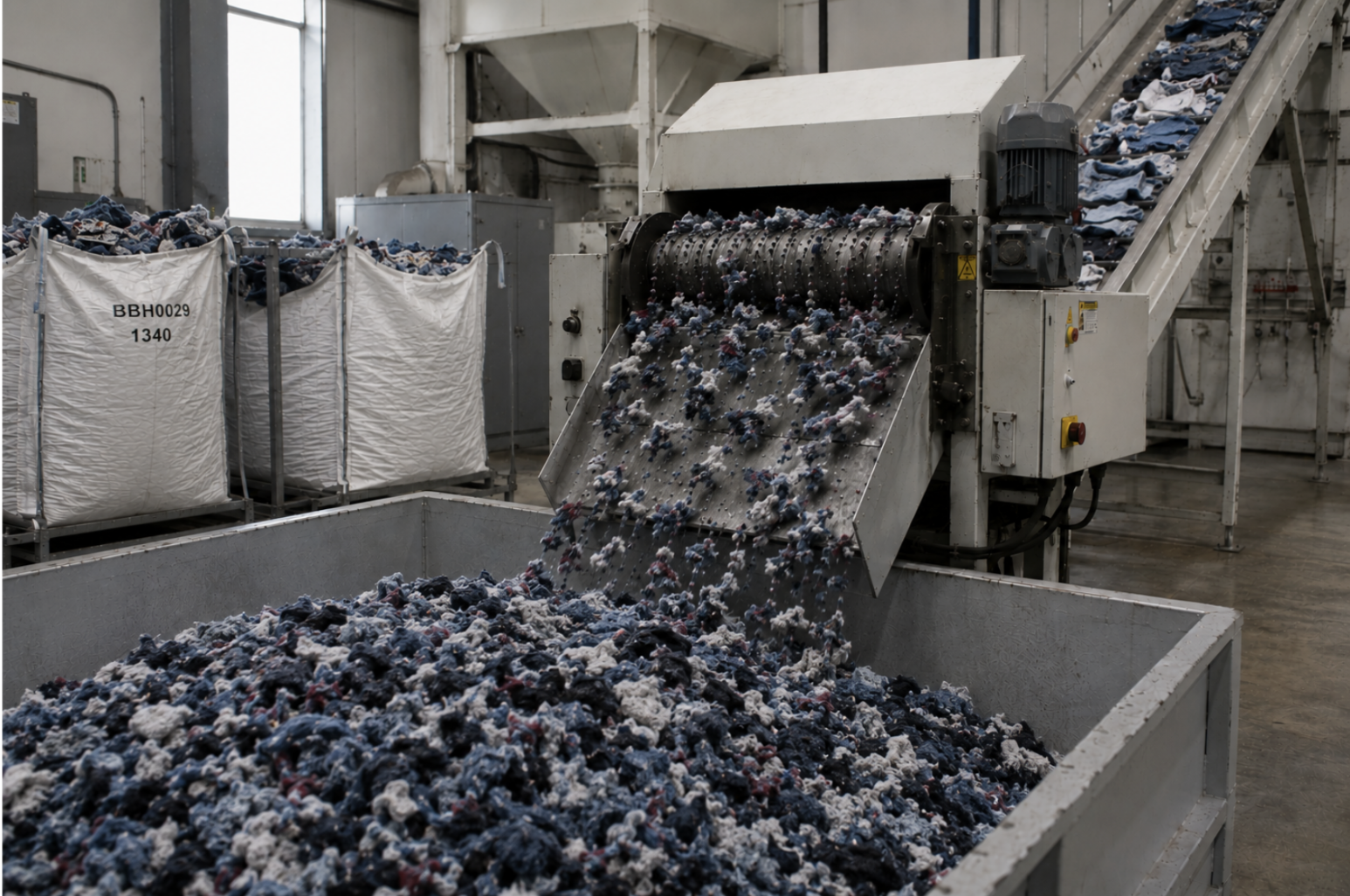
The Cotton Reloop Matrix Project maps and validates what mechanically recycled cotton fibre and yarn can currently deliver against real-world brand specifications, while collaborating with the supply chain to establish a Standard Operating Procedure (SOP) for handling and processing recycled fibres, building the shared, objective view needed to close that gap.

DW(O)R-X
Durable water- and oil-repellent repellency (DW(O)R) finishes are chemical treatments applied to textiles and footwear to keep materials dry, clean, breathable, and durable. Historically, these finishes have relied on per- and polyfluoroalkyl substances (PFAS). However, PFAS are highly persistent, accumulate in the environment and in human bodies, and are associated with harmful health and ecological effects. Increasing regulatory restrictions, combined with brand sustainability commitments and rising consumer awareness, are accelerating the shift toward PFAS-free alternatives.
Sorting for Circularity Rewear
Fashion for Good expanded its Sorting for Circularity framework to address the challenge of sorting for rewearable textiles to understand better their resale potential and the demand across the second-hand market. We launched an 18-month initiative in January 2024 in collaboration with Circle Economy, brand partners adidas, Inditex, Levi Strauss & Co. and Zalando to enhance the sorting of rewearable textiles using innovative AI technologies. The project seeks to improve garment recovery for resale, promoting circularity in the fashion industry.
