The London Polybag Collection Scheme Pilot
The London Polybag Collection Scheme Pilot aimed to address the low recycling rates of polybags used in the fashion industry by trialling a scalable recycling infrastructure for collecting and processing polybag waste into new materials.
What's the challenge?
Each year, around 180 billion polybags are produced for the fashion industry, yet less than 15% are recycled due to a lack of infrastructure for collection and sorting. This results in significant environmental waste. With appropriate infrastructure, polybags could be recycled into high-quality materials, closing the loop on polybag waste.
Executive Summary
Fashion for Good, in partnership with adidas, Kering (Saint Laurent and Balenciaga), Stella McCartney, and waste collector First Mile, launched the London Polybag Collection Scheme in February 2020. The pilot focused on creating a system for collecting polybag waste from retail stores, and recycling it into new plastic sacks. The pilot demonstrated that recycling polybags is both feasible and cost-effective, reducing waste management costs for brands while creating a circular system.
Goals of the Project
-
Create a scalable system for collecting and recycling polybags.
-
Reduce contamination of polybag waste, ensuring high-quality recycling.
-
Demonstrate cost savings for brands through dedicated polybag waste streams.
-
Build awareness and educate staff on polybag recycling.
-
Project Results
-
Cost Neutrality: Brands either saved or remained cost-neutral by separating polybag waste, reducing waste collection costs by up to 40%.
-
Increased Recycling: Up to 5 tonnes of polybag waste were collected and fully recycled, creating a circular waste stream.
-
Iterative Development: Multiple polybag prototypes were iterated and tested, revealing the need for ongoing refinements to align with industry standards and scaling opportunities.
-
High-Quality Waste Stream: The separated polybag waste maintained high quality and low contamination, ensuring 100% recyclability.
-
Scalability: The pilot confirmed that a polybag collection scheme could be easily scaled with proper infrastructure and staff engagement.
Innovation Partner

Project Partners



Relevant Resources
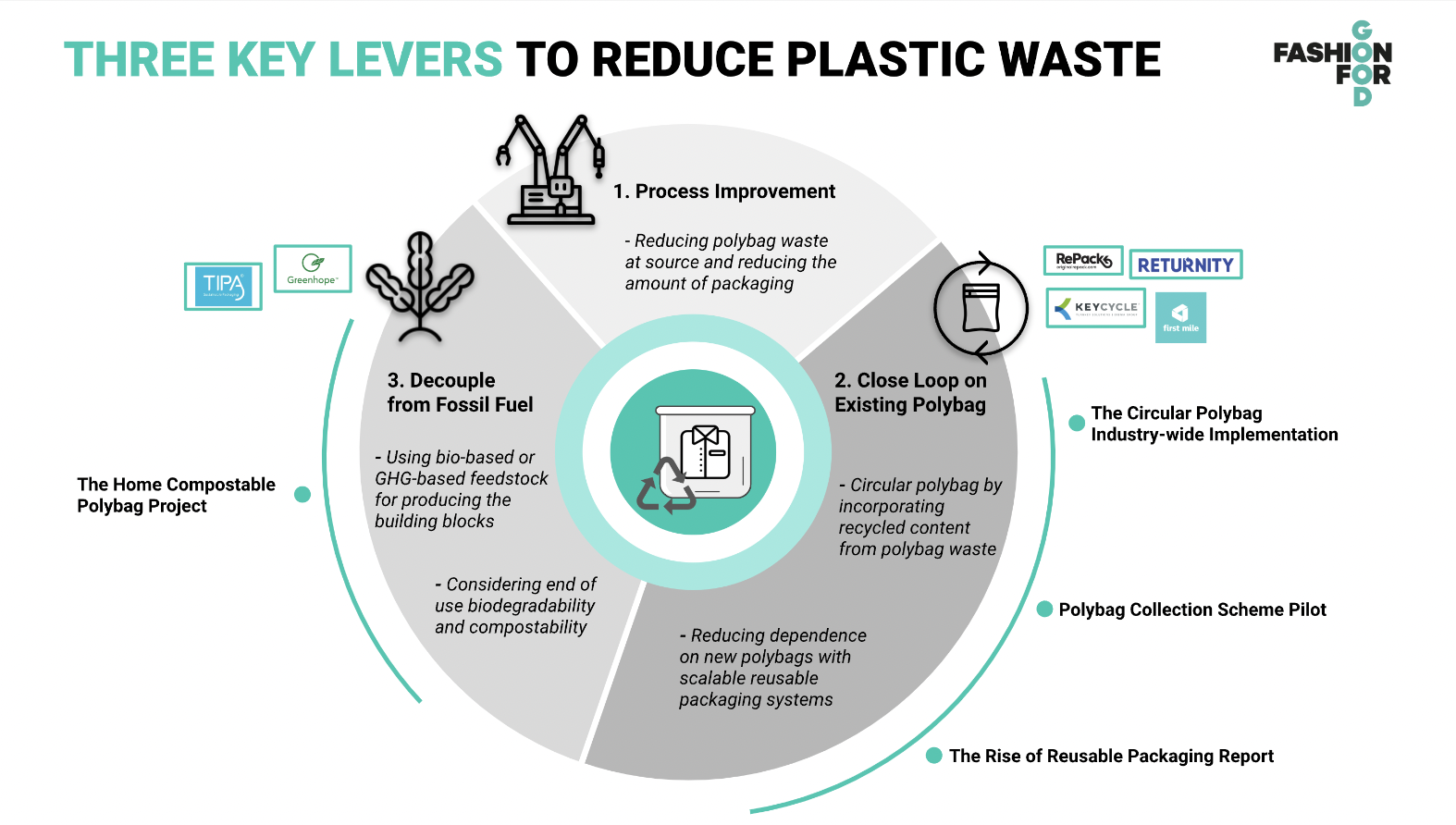
Unpacking the Packaging Problem: Solutions and Strategies

Fashion for Good Expands Polybag Recycling Work
Global sustainability initiative Fashion For Good (FFG) has partnered with UK recycler First Mile to streamline plastic polybag recycling efforts in London, as it expands the outlook of its Plastics Packaging Project.

Podcast: Are Polybags Still in Fashion?
Ashley Holding, innovation manager at Fashion for Good and Adam Gendell, associate director of GreenBlue’s flagship project, the Sustainable Packaging Coalition, discuss findings from their joint whitepaper.

Fashion for Good Launches a Pilot to Produce a Circular Polybag

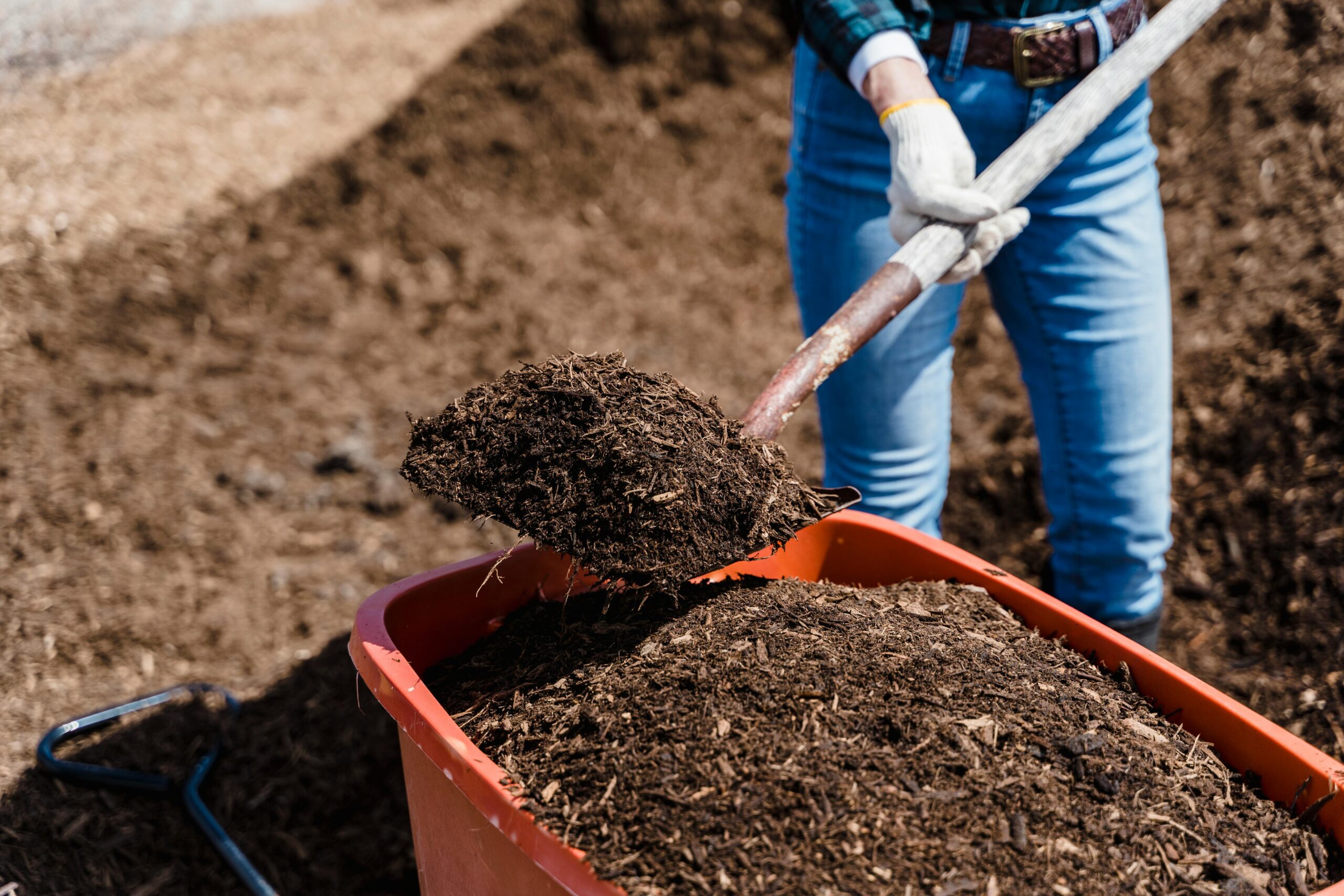
Fashion for Good Launches the Home-Compostable Polybag Project
The Home Compostable Polybag Project
Fashion for Good launches pilot to make circular polybag
Fashion for Good in partnership with Adidas, C&A, Kering, Otto Group, PVH Corp, and Cadel Deinking, has launched a new pilot project—The Circular Polybag Pilot, which will explore a solution to reduce use and impact of virgin polybags in fashion industry. The pilot is a first in apparel industry to trial a truly circular solution for polybags.
Fashion for Good launches the home-compostable polybag project
Fashion for Good launches the Home-Compostable Polybag Project, a pilot to test alternatives to conventional single-use polybags,

Pilot Project to Tackle Plastic Polybag Waste in Fashion Industry
Recycling company First Mile has partnered with global sustainable fashion innovation platform Fashion for Good on a new pilot scheme that aims to tackle the issue of plastic polybag waste in the fashion industry.
Other Projects
Cotton Reloop Matrix
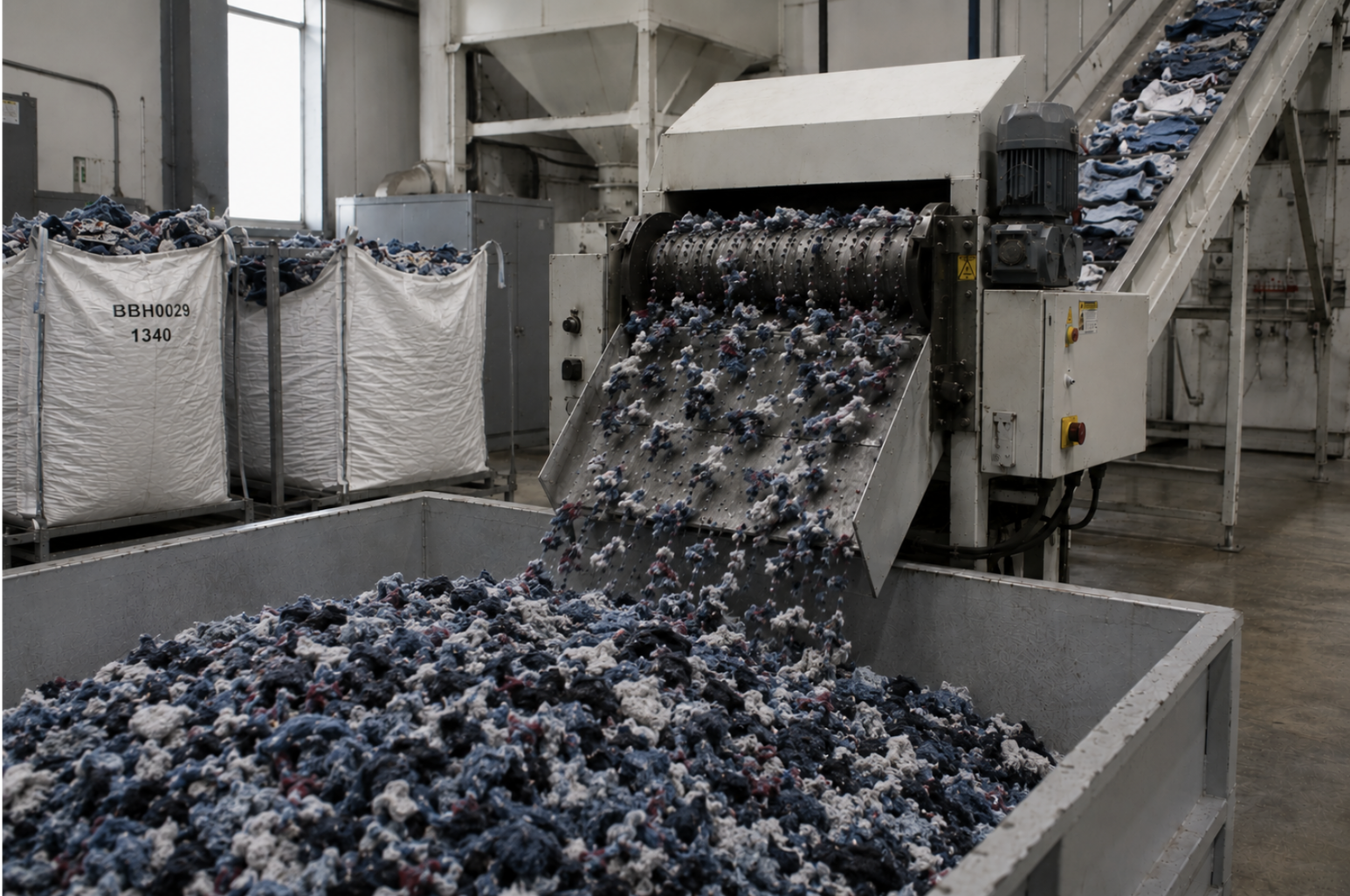
The Cotton Reloop Matrix Project maps and validates what mechanically recycled cotton fibre and yarn can currently deliver against real-world brand specifications, while collaborating with the supply chain to establish a Standard Operating Procedure (SOP) for handling and processing recycled fibres, building the shared, objective view needed to close that gap.

DW(O)R-X
Durable water- and oil-repellent repellency (DW(O)R) finishes are chemical treatments applied to textiles and footwear to keep materials dry, clean, breathable, and durable. Historically, these finishes have relied on per- and polyfluoroalkyl substances (PFAS). However, PFAS are highly persistent, accumulate in the environment and in human bodies, and are associated with harmful health and ecological effects. Increasing regulatory restrictions, combined with brand sustainability commitments and rising consumer awareness, are accelerating the shift toward PFAS-free alternatives.
Sorting for Circularity Rewear
Fashion for Good expanded its Sorting for Circularity framework to address the challenge of sorting for rewearable textiles to understand better their resale potential and the demand across the second-hand market. We launched an 18-month initiative in January 2024 in collaboration with Circle Economy, brand partners adidas, Inditex, Levi Strauss & Co. and Zalando to enhance the sorting of rewearable textiles using innovative AI technologies. The project seeks to improve garment recovery for resale, promoting circularity in the fashion industry.
