
Feedstock Activation Europe: FAE
Project FAE (Feedstock Activation Europe) is an initiative led by Fashion for Good to channel post-consumer textiles as feedstock for textile-to-textile recycling at scale. It addresses a core gap in the value chain: today, sorters cannot viably prepare post-consumer material at the price, quantity and quality recyclers require, leaving most non-rewearable textiles with no viable destination.
What's the challenge?
Recyclability of post-consumer textile waste faces significant technical and financial hurdles. Currently, most non-rewearable waste is downcycled or discarded. The need to channel post-consumer textile waste into feedstock for T2T recycling is growing, as resale markets decline, and recycling capacities emerge in Europe requiring large volumes of high-quality feedstock. However, the heterogeneous nature of post-consumer textiles, associated with high sorting & pre-processing costs and limited technical compatibitilty, remain a major barrier. Establishing a robust European sorting and pre-processing system is essential to making T2T recycling both economically and technically viable.
Executive Summary
Setting up an efficient system, at the European level, for sorting and pre-processing is critical to increasing material valorisation and making post-consumer waste as feedstock for T2T a financially viable option. Led by Fashion for Good, with brand partners adidas, lead sponsor of the project, supported by Bestseller and Inditex project FAE addresses this gap by assessing the feasibility of advanced pre-processing technologies and developing a framework for regional sorting and pre-processing hubs across Europe. The goal is a practical, commercial framework that makes post-consumer textile waste a viable raw material for T2T recycling at scale.
Goals of the Project
The project aims to enhance the valorisation of post-consumer textile waste in the EU by enabling its integration into commercially viable T2T recycling pathways.
This will be done by driving 2 work packages:
1. Advanced Pre-processing Assessment
Assessing the technological and commercial feasibility of advanced pre-processing technologies (including both pure pre-processors and recyclers with pre-processing technology) to prepare purer feedstocks for recycling.
2. European Hub Framework Development
Assessment and development of large-scale sorting and pre-processing hubs in Europe via a business framework.
Innovation Partners


Experts

Strategic Partner

Innovators





Advisors





























FAQs
What makes post-consumer textile waste challenging as feedstock for textile-to-textile (T2T) recycling?
Post-consumer textile waste is highly heterogeneous, containing a wide range of colours, fibre compositions (both pure fibres and blends), and contaminants such as elastane and optical brightening agents (OBAs). At the same time, T2T recyclers require feedstock that meets strict technical specifications. This mismatch means that only a limited share of post-consumer textiles is currently suitable for recycling. In addition, sorting and pre-processing post-consumer textiles can be costly for sorters, while recyclers require competitively priced feedstock, as feedstock costs often represent a significant portion of overall recycling costs. Together, these factors further limit the recycling viability of post-consumer textiles.
What is sorting and pre-processing for recycling?
Sorting for recycling involves categorising textile waste based on characteristics such as fibre composition (e.g., 100% cotton or >95% polyester), colour, and other specifications required by recyclers. Automated sorting technologies increasingly use Near-Infrared (NIR) spectroscopy to improve the identification of fibre compositions at scale.
Pre-processing refers to the preparation of textile waste so it can be used as feedstock for recycling processes. This can be mechanical pre-processing such as cutting, shredding, and trim removal; as well as advanced pre-processing like fibre blend separation, elastane removal, and contaminant removal.
Why could a regional hub approach help address the challenge of post-consumer textile waste in Europe?
The project explores whether a regional hub model could help improve the processing of non-rewearable post-consumer textile waste in Europe. Based on factors such as waste availability, material composition, and existing or upcoming recycling capacities, regional facilities could be identified and blueprinted to process large volumes of textile waste. These hubs would combine automated sorting with mechanical pre-processing to produce feedstock streams tailored to the specifications of different recyclers. By aggregating volumes and leveraging automation, the approach could reduce feedstock costs for recyclers, while enabling sorters to access diverse recyclers, improving business case for both sides.
Relevant Resources
Sorting For Circularity Europe
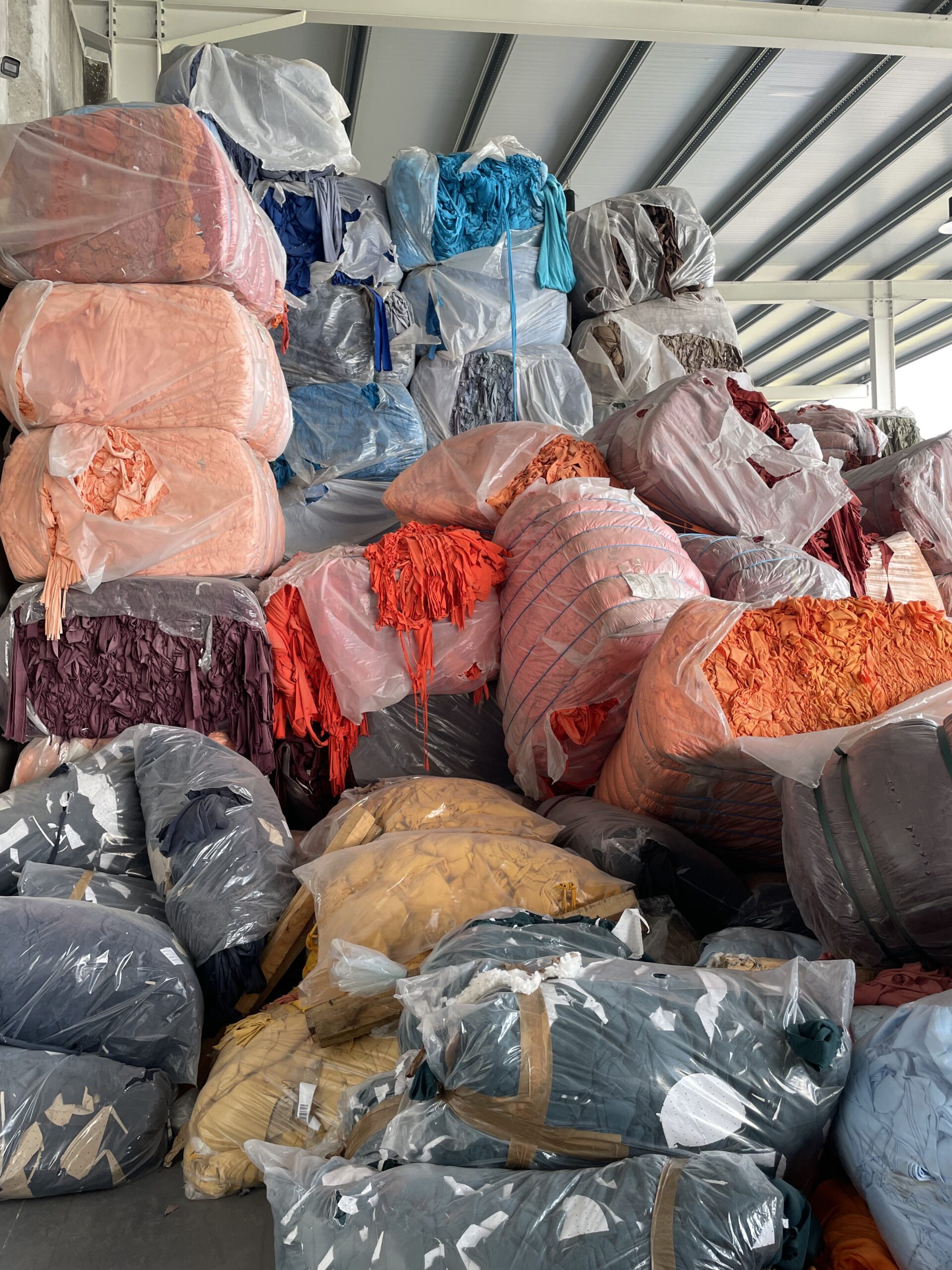
The Sorting for Circularity Europe project was launched in early 2021 and initiated by Fashion for Good together with Circle Economy. The project was made possible by catalytic funding from Laudes Foundation and brand partners, adidas, BESTSELLER, Inditex and Zalando, with H&M Group as key project partners. The project addressed the need for data on textile waste in the market, identifying waste types and recycling opportunities.

Sorting for Circularity India
This project was designed to organise and optimise India’s textile waste supply chain. By evaluating various waste streams for collection, sorting, and pre-processing, the initiative aimed to enhance circularity in textiles. It sought to improve collection and sorting systems, foster recycling infrastructure, and introduce innovative solutions to generate new revenue streams and next-generation materials from textile waste-reducing reliance on virgin resources and minimising landfill and incineration.
Sorting for Circularity India: Post-Consumer Pilot
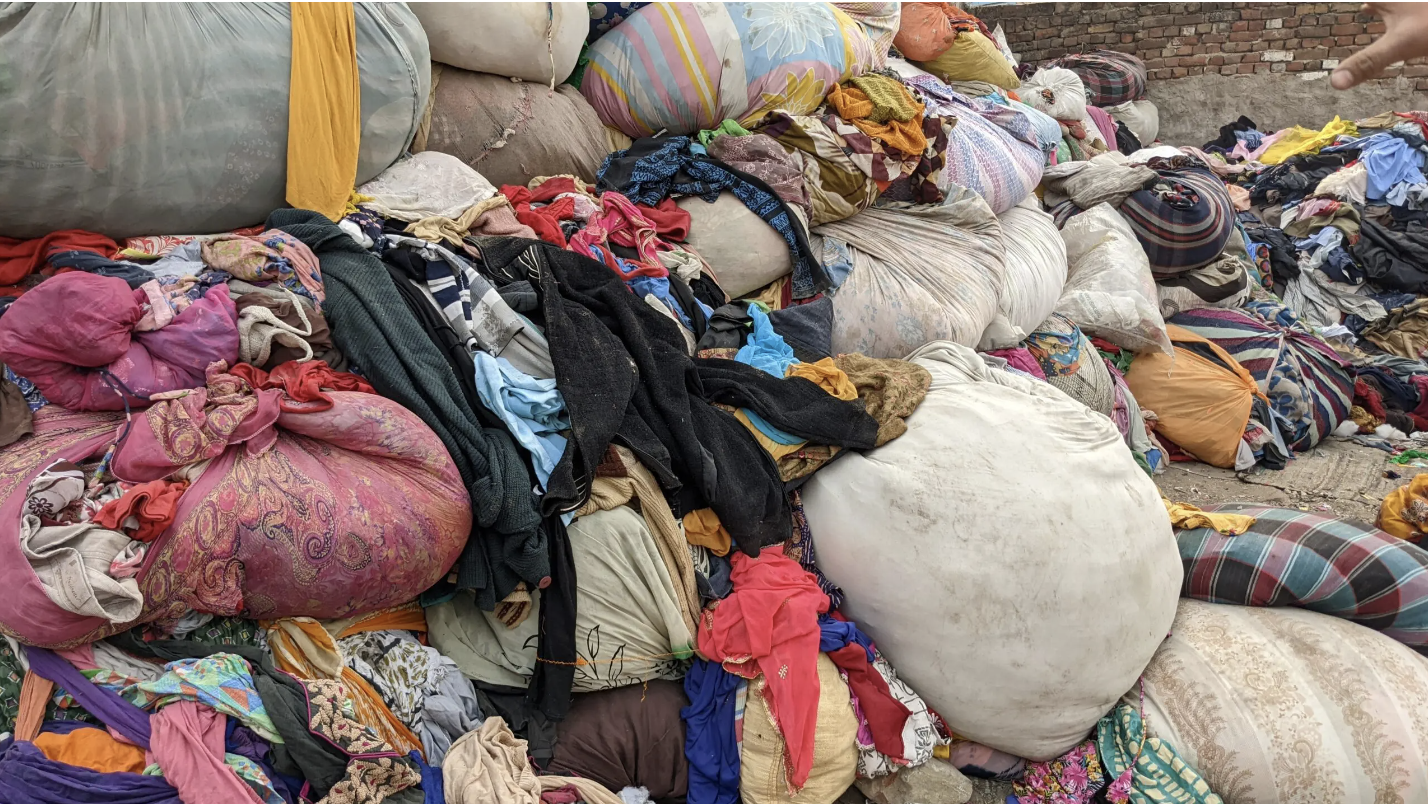
India generates around 3,944k tonnes of post-consumer textile waste annually, with 48% viable for recycling feedstock, though inadequate sorting and recycling systems prevent full utilisation. This project involved two primary pilots that tested sorting innovations: Matoha’s FabriTell desktop scanner for semi-automated sorting and PICVISA’s ECOSORT for fully automated sorting. The pilots aimed to assess these technologies’ ability to categorise waste by fibre and colour efficiently, ultimately facilitating quality feedstock production for recycling. Initial findings suggest India could effectively harness a closed-loop textile recycling system, with cotton and polyester blends as dominant waste types.
Sorting for Circularity India: Pre-Consumer Pilot
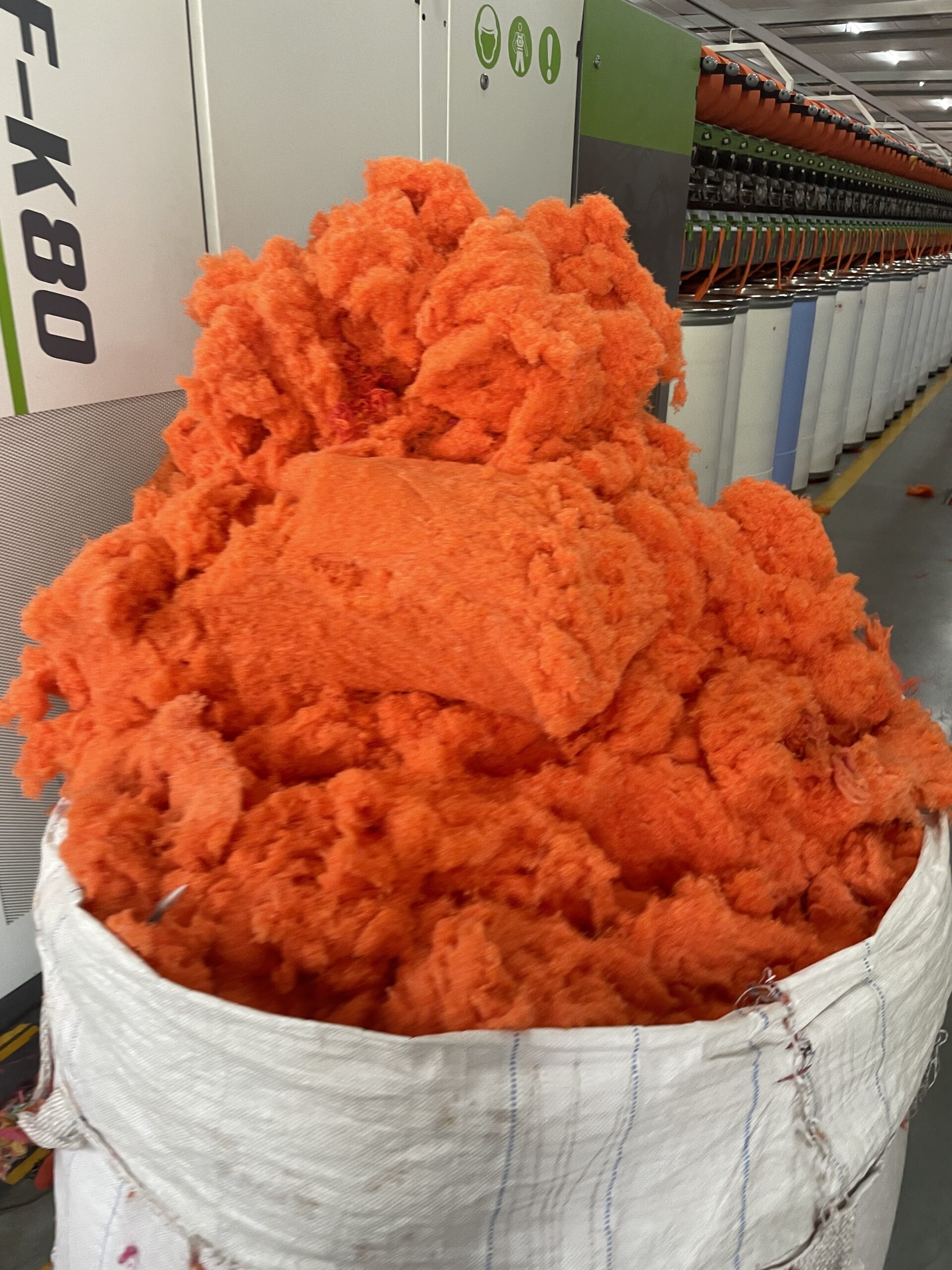
The Sorting for Circularity India Pre-Consumer Pilot aimed to organise the Indian textile waste market by establishing a circular economy that maximises value recovery from textile waste. This pilot addressed pre-consumer waste (factory floor cutting waste) and aimed to demonstrate a 360° closed-loop system, where factory waste is segregated, digitally traced, and then processed by recyclers to produce new fibres, which are returned to the production chain. The initiative sought to enhance transparency, traceability, and efficiency in India’s textile waste management system.

Sorting for Circularity Rewear
Fashion for Good expanded its Sorting for Circularity framework to address the challenge of sorting for rewearable textiles to understand better their resale potential and the demand across the second-hand market. We launched an 18-month initiative in January 2024 in collaboration with Circle Economy, brand partners adidas, Inditex, Levi Strauss & Co. and Zalando to enhance the sorting of rewearable textiles using innovative AI technologies. The project seeks to improve garment recovery for resale, promoting circularity in the fashion industry.
Sorting for Circularity USA
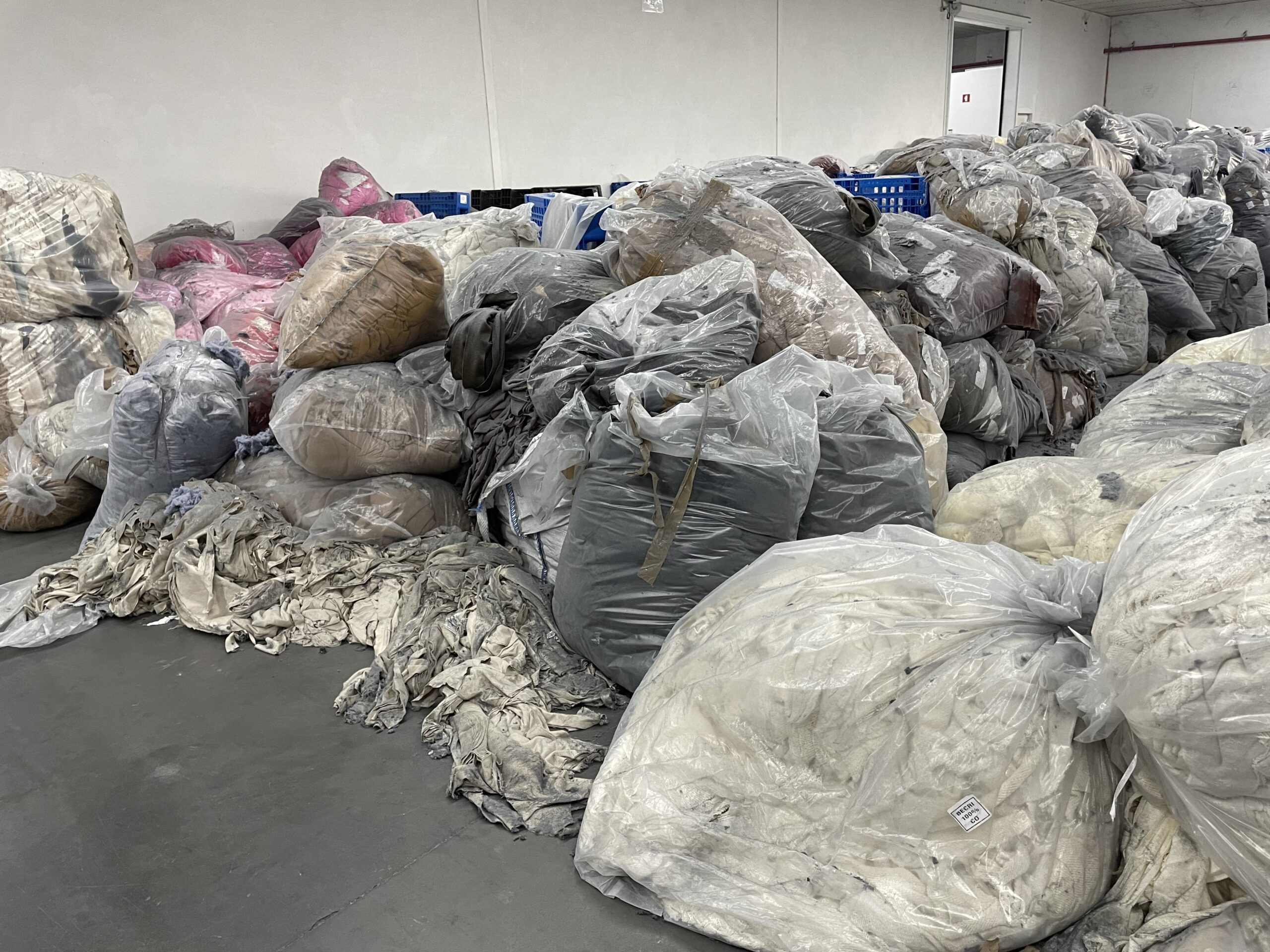
The project aims to assess the potential for fibre-to-fibre recycling in the United States. The project evaluated consumer behaviour around textile disposal and analysed post-consumer textile waste to determine its suitability for recycling. The goal was to promote circularity by improving textile collection systems and supporting the development of recycling infrastructures and technologies.

T-REX Project
The T-REX Project brings together 13 major players from across the entire value chain to create a harmonised EU blueprint and business opportunities for closed loop sorting, and recycling of household textile waste. Transforming end-of-use textiles, from waste, into a desired feedstock, and a commodity for new business models that can be adopted at scale.
Other Projects

DW(O)R-X
Durable water- and oil-repellent repellency (DW(O)R) finishes are chemical treatments applied to textiles and footwear to keep materials dry, clean, breathable, and durable. Historically, these finishes have relied on per- and polyfluoroalkyl substances (PFAS). However, PFAS are highly persistent, accumulate in the environment and in human bodies, and are associated with harmful health and ecological effects. Increasing regulatory restrictions, combined with brand sustainability commitments and rising consumer awareness, are accelerating the shift toward PFAS-free alternatives.
Sorting for Circularity Rewear
Fashion for Good expanded its Sorting for Circularity framework to address the challenge of sorting for rewearable textiles to understand better their resale potential and the demand across the second-hand market. We launched an 18-month initiative in January 2024 in collaboration with Circle Economy, brand partners adidas, Inditex, Levi Strauss & Co. and Zalando to enhance the sorting of rewearable textiles using innovative AI technologies. The project seeks to improve garment recovery for resale, promoting circularity in the fashion industry.

Behind the Break
Behind the Break is a multi-phase research initiative developed by Fashion for Good in collaboration with The Microfibre Consortium. The project takes a research-led approach to advance the fashion industry’s understanding of fibre fragmentation, addressing uncertainties in existing testing protocols and key knowledge gaps. By supporting the development of a more credible and consistent foundation, the initiative aims to enable stakeholders to make informed decisions and take decisive action to mitigate fibre fragment pollution, while leveraging the best available science.
