
Inditex
About Inditex
Inditex comprises seven brands: Zara, Pull&Bear, Massimo Dutti, Bershka, Stradivarius, Oysho and Zara Home. They sell in 213 markets through their online platforms and over 5.800 stores. Their attitude towards innovation is a bold, outside-the-box approach because of their commitment to improvement. They take risks when they see a better way — for their customers, for our planet, and for fashion that moves the world forward — through the most inspiring experience.
Related Projects

Feedstock Activation Europe: FAE
Project FAE (Feedstock Activation Europe) is an initiative led by Fashion for Good to channel post-consumer textiles as feedstock for textile-to-textile recycling at scale. It addresses a core gap in the value chain: today, sorters cannot viably prepare post-consumer material at the price, quantity and quality recyclers require, leaving most non-rewearable textiles with no viable destination.
Closing the Footwear Loop
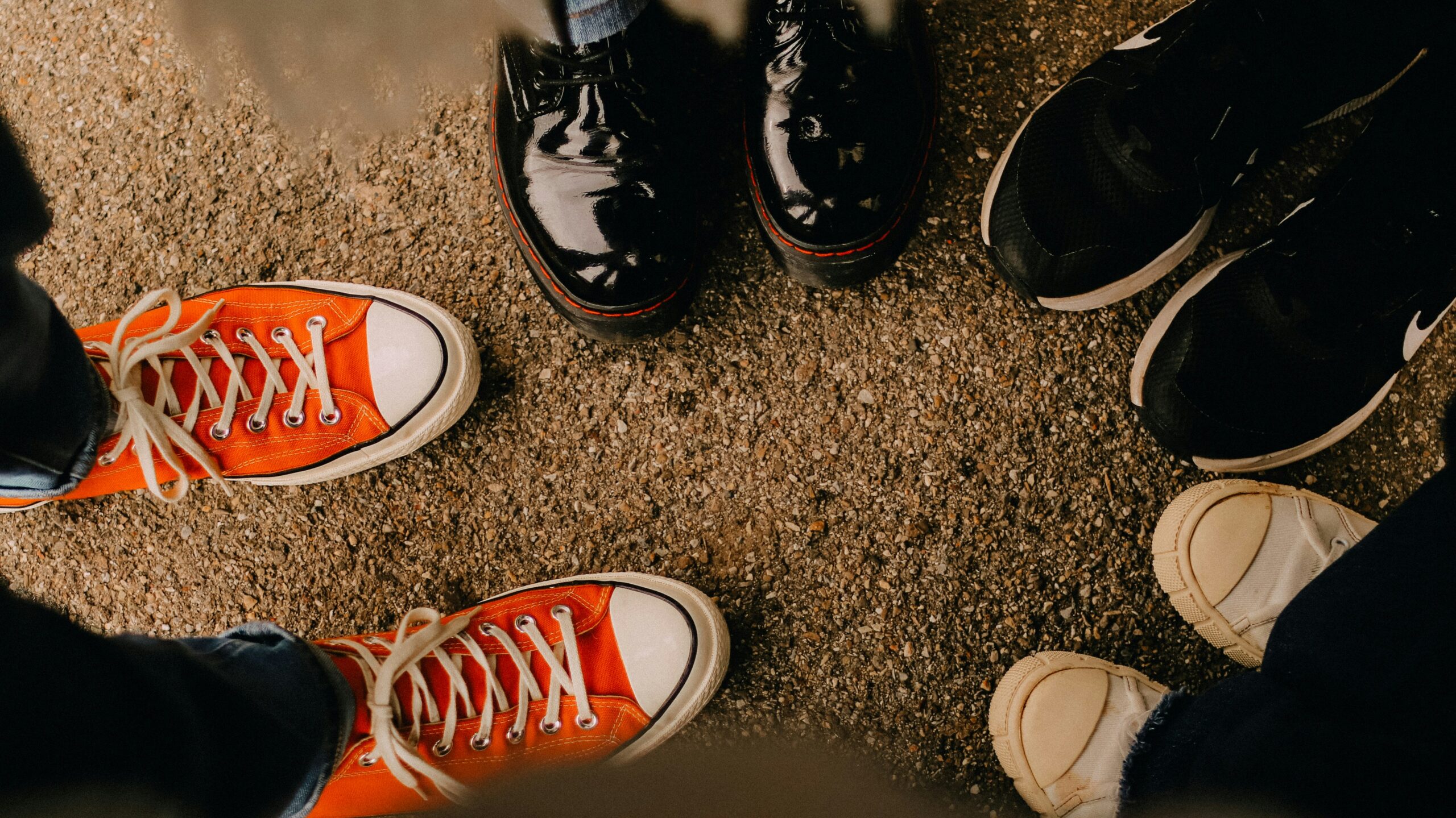
The “Closing the Footwear Loop” project is a major initiative led by Fashion for Good, bringing together 17 leading fashion and footwear brands and their existing circularity programs to tackle the complex challenges of circularity in the footwear industry. The project aims to transform the current linear “take-make-dispose” model into a circular one.
Sorting for Circularity Rewear
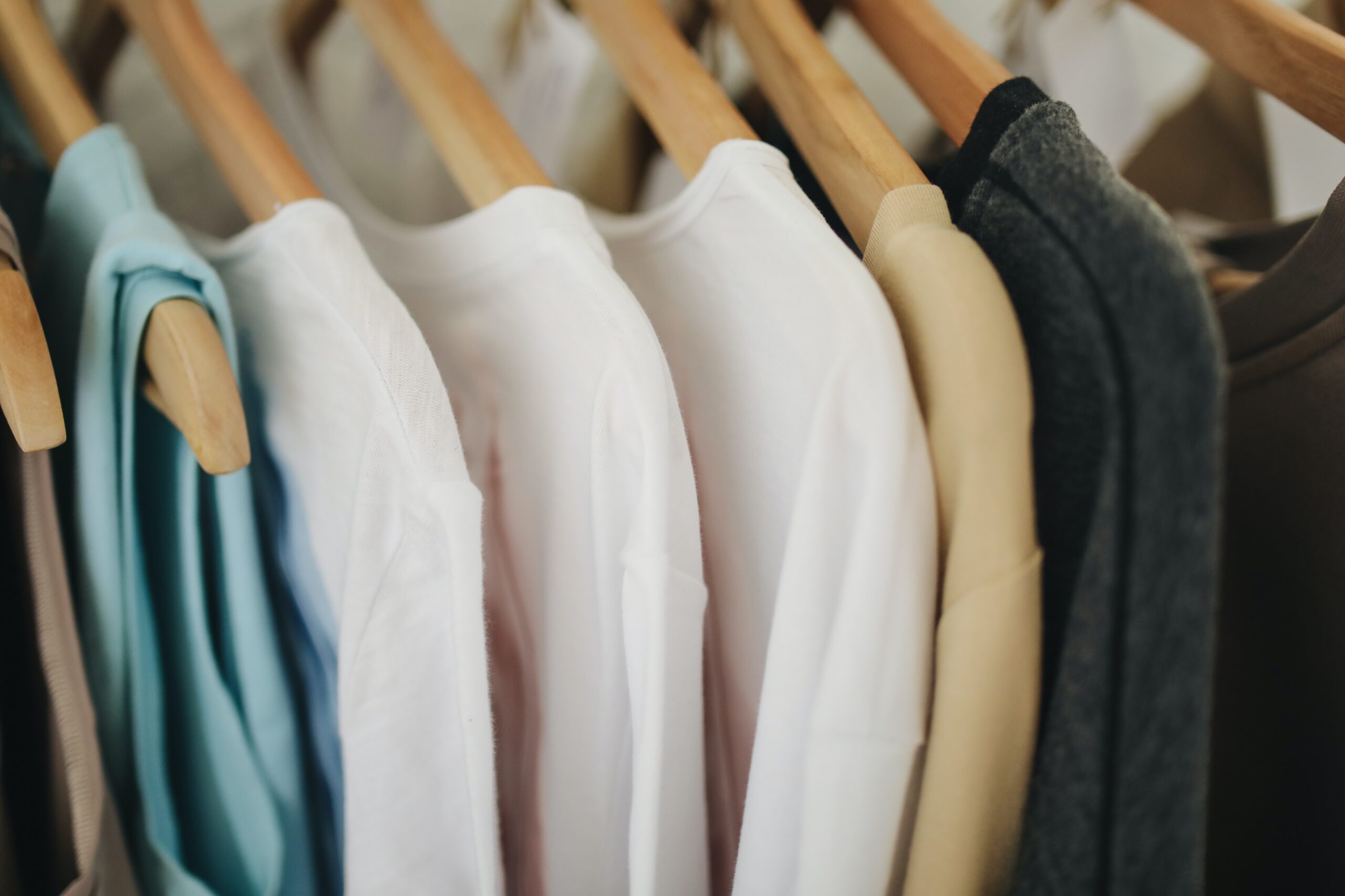
Fashion for Good expanded its Sorting for Circularity framework to address the challenge of sorting for rewearable textiles to understand better their resale potential and the demand across the second-hand market. We launched an 18-month initiative in January 2024 in collaboration with Circle Economy, brand partners adidas, Inditex, Levi Strauss & Co. and Zalando to enhance the sorting of rewearable textiles using innovative AI technologies. The project seeks to improve garment recovery for resale, promoting circularity in the fashion industry.
Fast Feet Grinded Collaborative Pilot
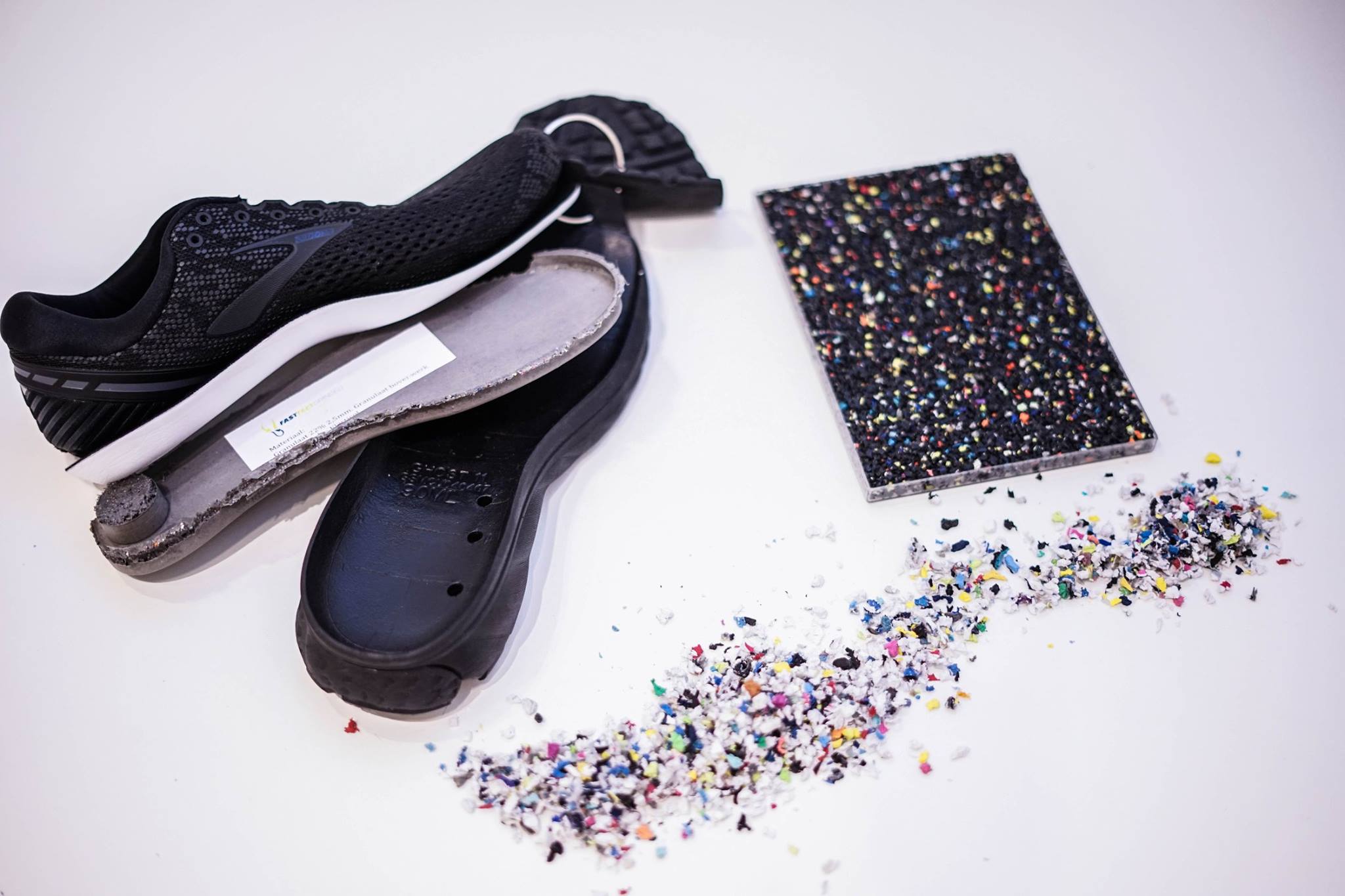
The aim of the pilot was to test and validate the FastFeetGrinded footwear recycling process by evaluating the quality of outputs and understanding the environmental impacts of the process. FastFeetGrinded is a company specialising in footwear recycling that accepts all types of footwear as feedstock to produce sorted material granulates with zero waste streams. FastFeetGrinded aims to deconstruct any type of pre- and post-consumer shoe, separating footwear into substituent components, which are then subsequently grinded down and processed to create material streams for repurposed use.
Sorting for Circularity USA
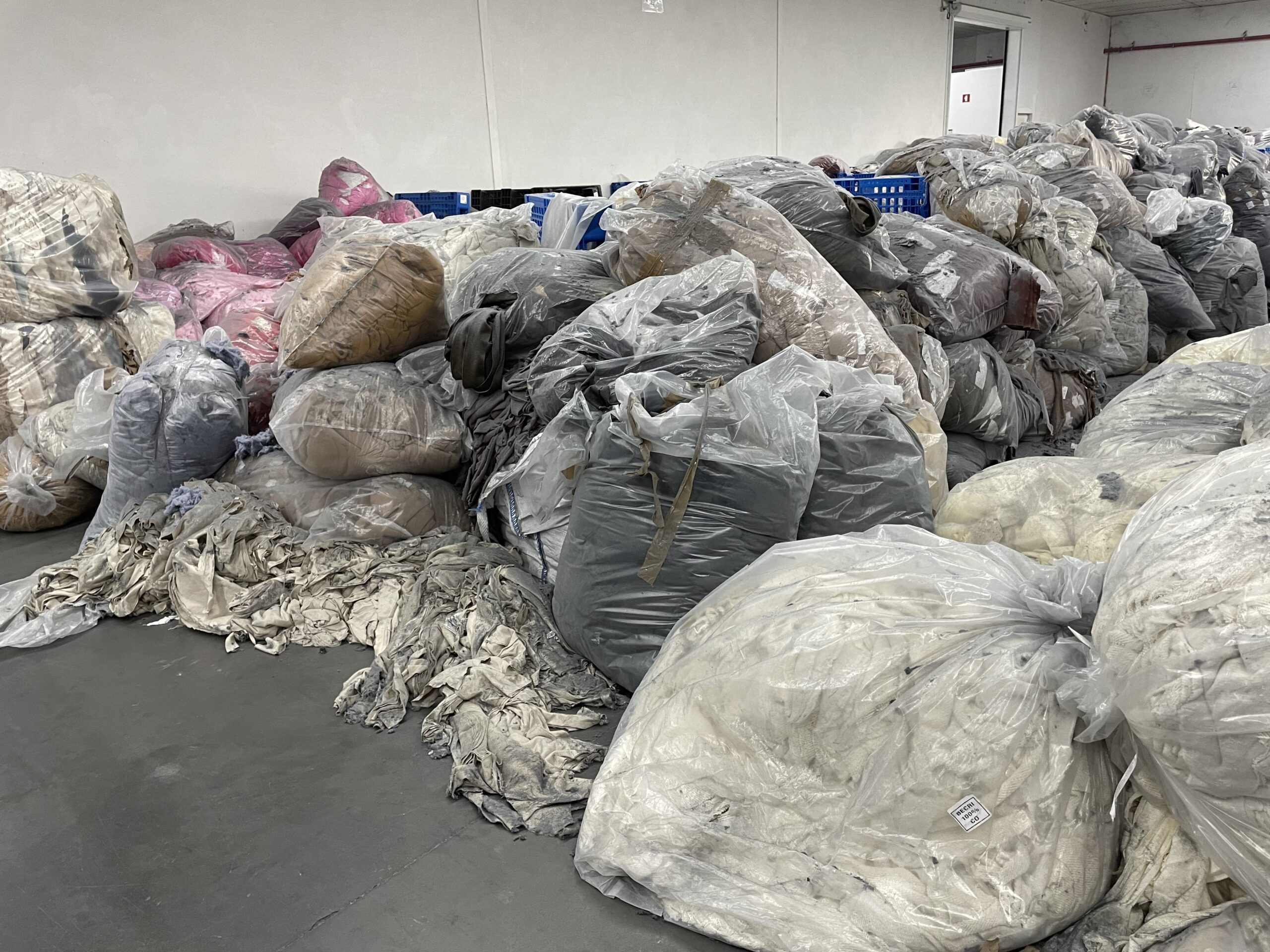
The project aims to assess the potential for fibre-to-fibre recycling in the United States. The project evaluated consumer behaviour around textile disposal and analysed post-consumer textile waste to determine its suitability for recycling. The goal was to promote circularity by improving textile collection systems and supporting the development of recycling infrastructures and technologies.
Sorting For Circularity Europe
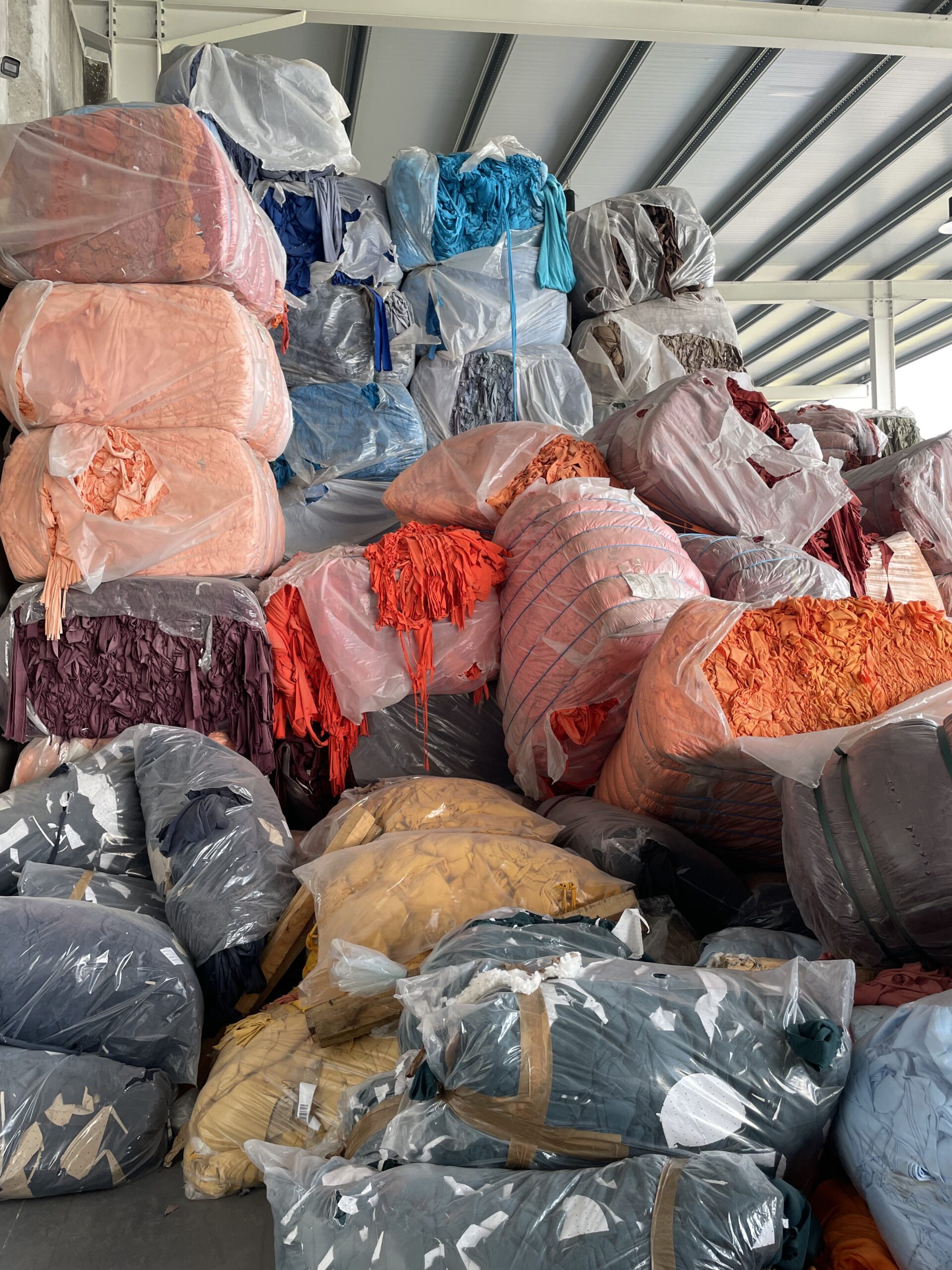
The Sorting for Circularity Europe project was launched in early 2021 and initiated by Fashion for Good together with Circle Economy. The project was made possible by catalytic funding from Laudes Foundation and brand partners, adidas, BESTSELLER, Inditex and Zalando, with H&M Group as key project partners. The project addressed the need for data on textile waste in the market, identifying waste types and recycling opportunities.

Behind the Break
Behind the Break is a multi-phase research initiative developed by Fashion for Good in collaboration with The Microfibre Consortium. The project takes a research-led approach to advance the fashion industry’s understanding of fibre fragmentation, addressing uncertainties in existing testing protocols and key knowledge gaps. By supporting the development of a more credible and consistent foundation, the initiative aims to enable stakeholders to make informed decisions and take decisive action to mitigate fibre fragment pollution, while leveraging the best available science.
Behind the Break 2.0
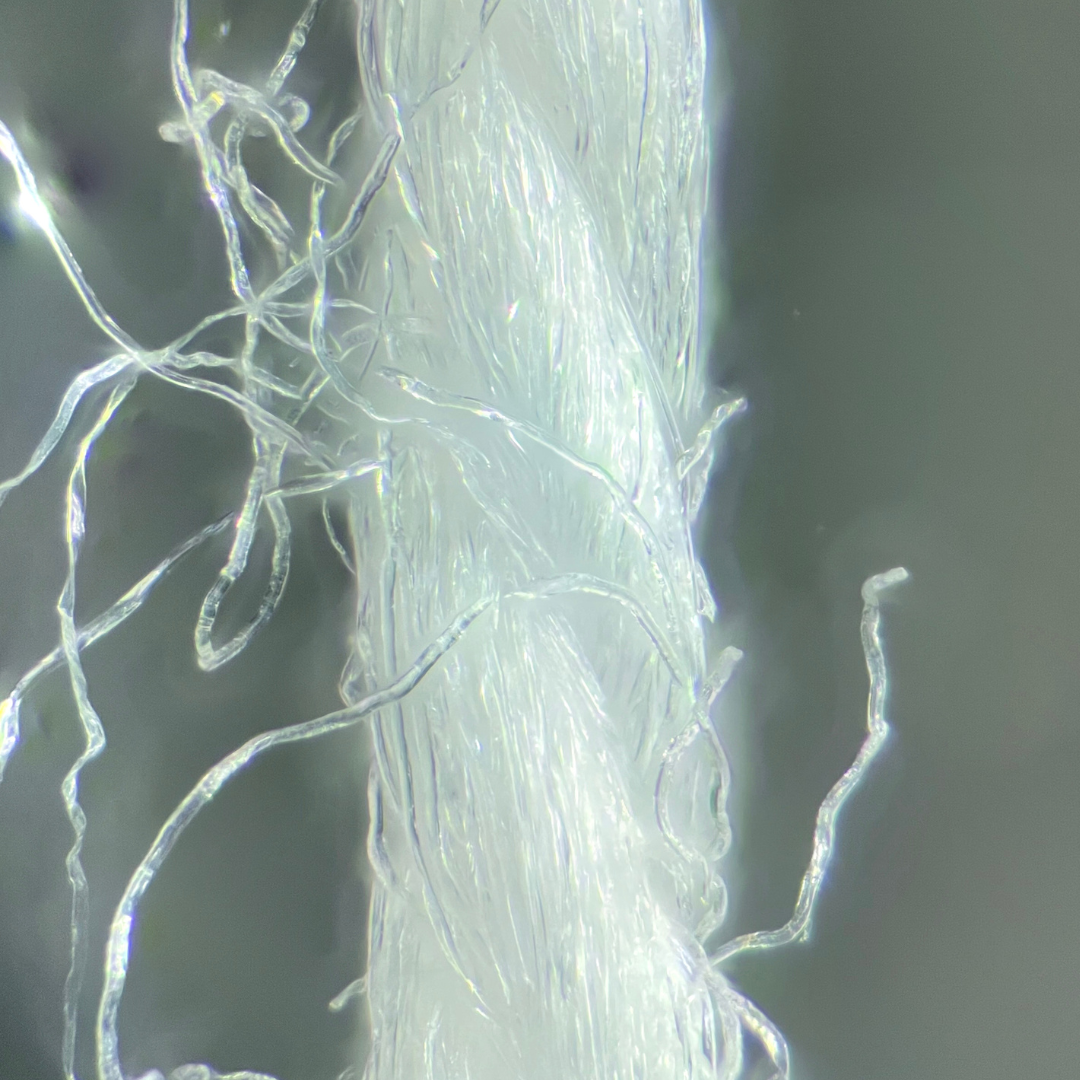
Behind the Break 2.0 is a targeted research initiative focused on addressing fibre fragmentation in textiles, building directly on the work started in Phase 1.0 (2024–2025), which tested the strengths and limitations of different methods used to measure fibre loss, identifying how much results vary between labs, and exploring what drives fibre shedding across three fabric types: cotton knit, cotton woven, and polyester knit. Phase 2.0 seeks to increase confidence in data quality, consolidate and refine existing testing approaches and knowledge across selected fabric archetypes, and deepen supplier engagement to support wider data collection within the space.
Behind the Break 1.0
In early 2024, Fashion for Good and The Microfibre Consortium joined forces on “Behind the Break: Exploring Fibre Fragmentation”, a collaborative project designed to advance the industry’s understanding of fibre fragmentation. Although fibre fragmentation is an issue that spans multiple industries, this project specifically focuses on the textile and fashion value chain, aligning with the missions of Fashion for Good and its partners to drive systemic change towards a more sustainable industry.
Dyestuff Library
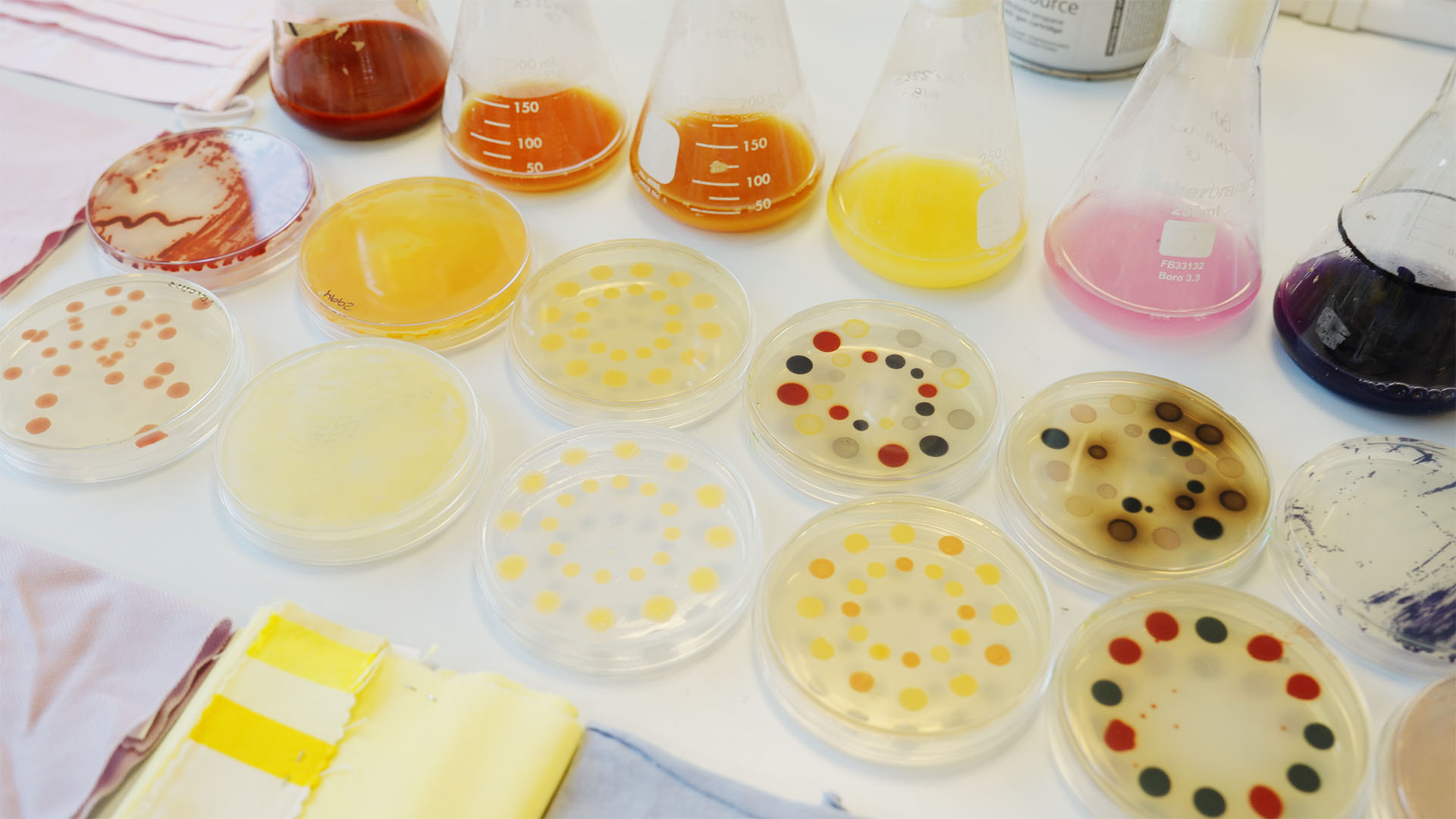
This project was designed to address the gap in knowledge and infrastructure for sustainable dyes by developing a tool to identify, assess, and select innovative dyestuffs based on specific metrics and fabric requirements. The project collaborates with brands, supply chain partners, and industry stakeholders to conduct comprehensive evaluations, aiming to facilitate an industry shift toward sustainable dye options. Structured in multiple rounds, each involving five innovators, the project includes trials at both lab and pilot scales, with support and guidance for participating innovators.

Biophilica Pilot
This pilot aimed to test, refine, and scale Treekind®, an alternative to animal and synthetic leathers made from green waste. The project focused on assessing the material’s performance, scalability, and manufacturing capabilities.
Kintra Fibers Project
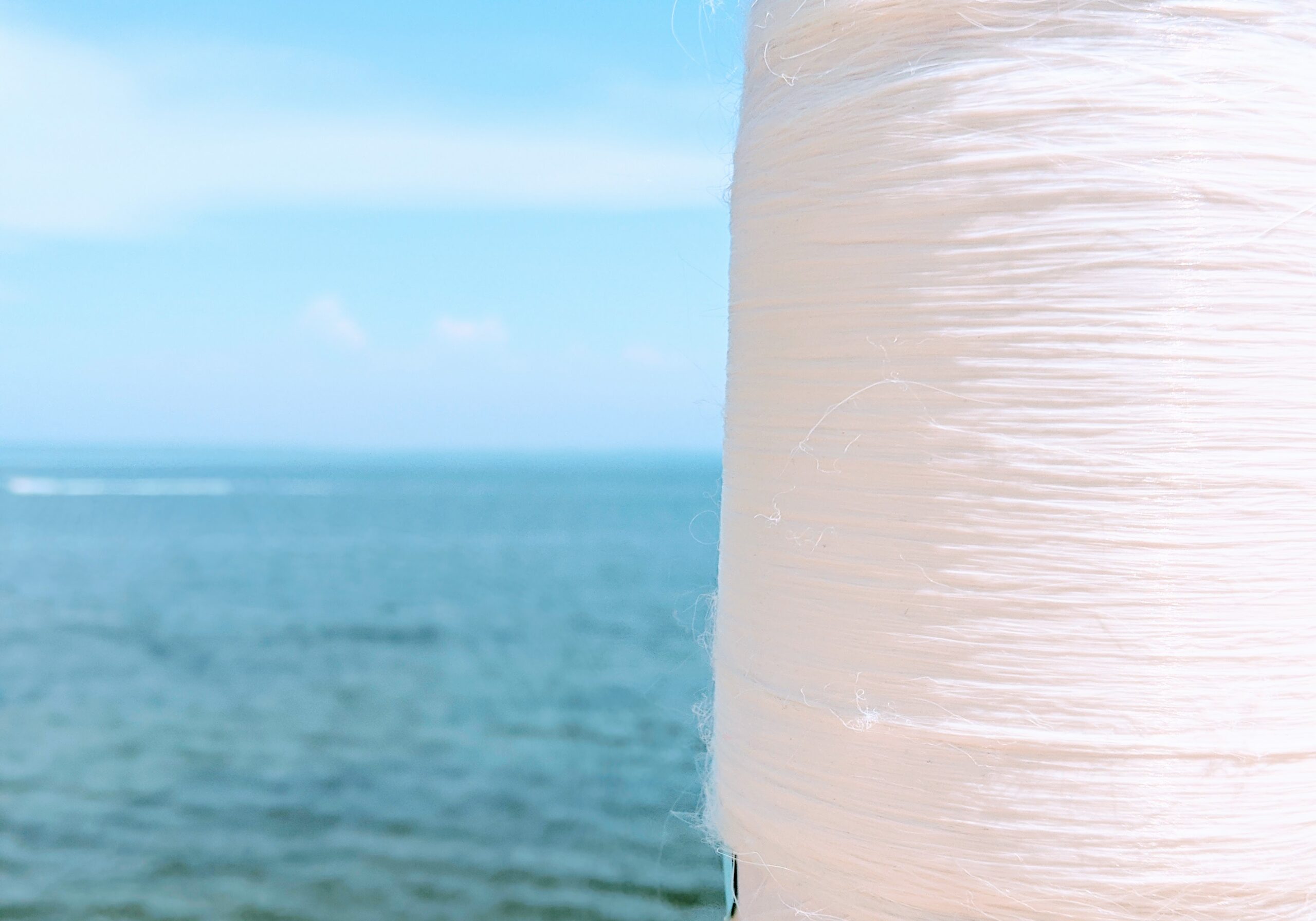
Fashion for Good alumni, Kintra Fibres produces a biopolymer which is a replacement for virgin polyester. Polybutylene succinate or PBS is a biopolymer made using industrial sugarcane as a feedstock, it is also biodegradable in aerobic conditions.
