
Levi Strauss & Co.
- Website: https://www.levistrauss.com/
About Levi Strauss & Co.
Levi Strauss & Co. is one of the world’s largest brand-name apparel companies and a global leader in jeanswear. The company designs and markets jeans, casual wear and related accessories for men, women and children under the Levi’s®, Dockers®, Signature by Levi Strauss & Co.™, Denizen® and Beyond Yoga® brands. Its products are sold in more than 110 countries worldwide through a combination of chain retailers, department stores, online sites, and a global footprint of approximately 3,200 brand-dedicated stores and shop-in-shops.
Related Projects

Stretching Circularity
The Stretching Circularity Project aims to accelerate the development and adoption of lower-impact elastane solutions for the apparel industry through two workstreams. One workstream focuses on testing next-generation elastane materials made from alternative inputs, including bio-based materials and other feedstocks. The other focuses on testing regenerated elastane made through emerging recycling innovations. Both workstreams follow a pilot-scale validation approach to generate comparable data on performance, impact, economic feasibility and scalability.
Sorting for Circularity Rewear
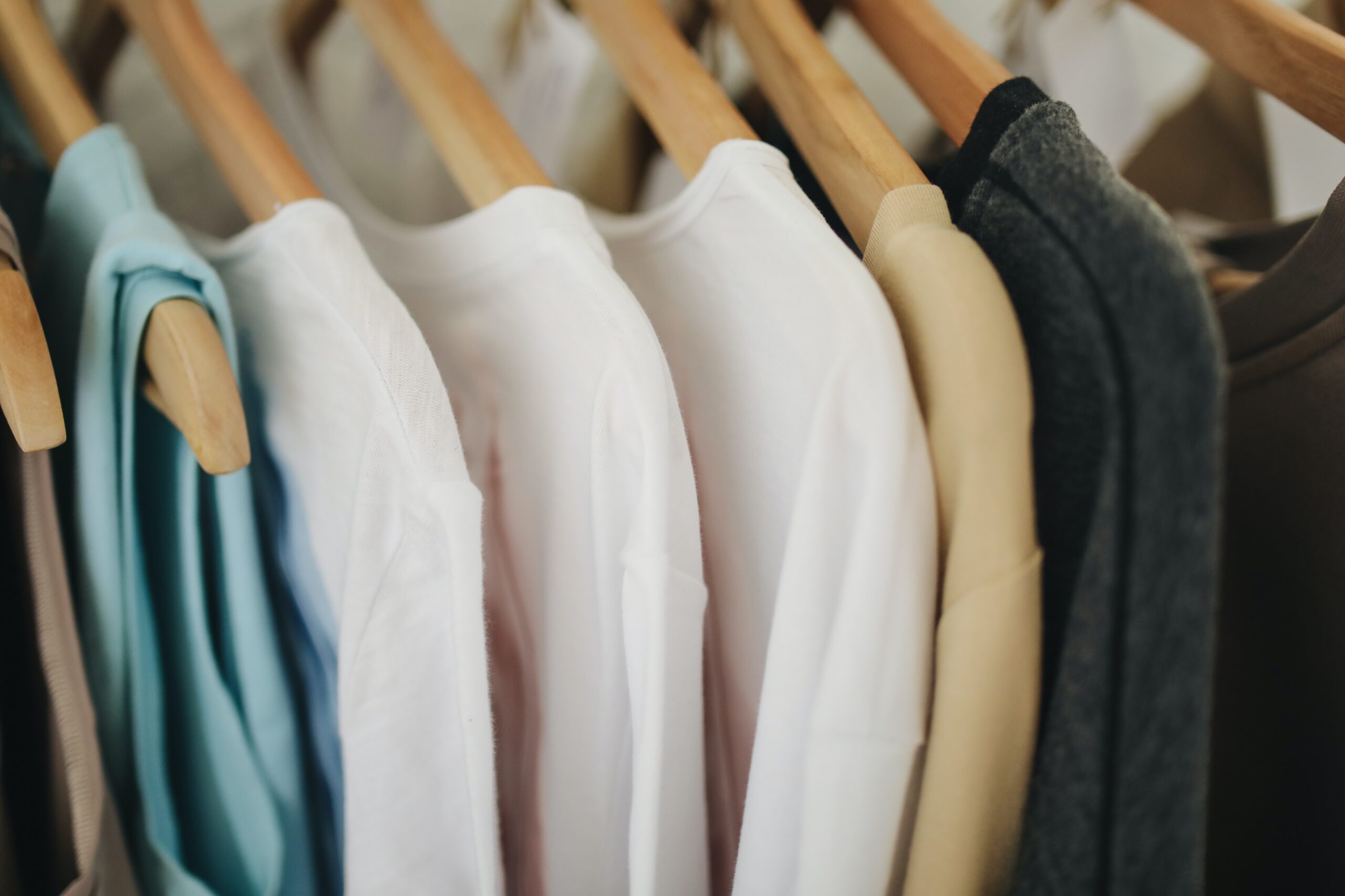
Fashion for Good expanded its Sorting for Circularity framework to address the challenge of sorting for rewearable textiles to understand better their resale potential and the demand across the second-hand market. We launched an 18-month initiative in January 2024 in collaboration with Circle Economy, brand partners adidas, Inditex, Levi Strauss & Co. and Zalando to enhance the sorting of rewearable textiles using innovative AI technologies. The project seeks to improve garment recovery for resale, promoting circularity in the fashion industry.
Tracing Textile Waste
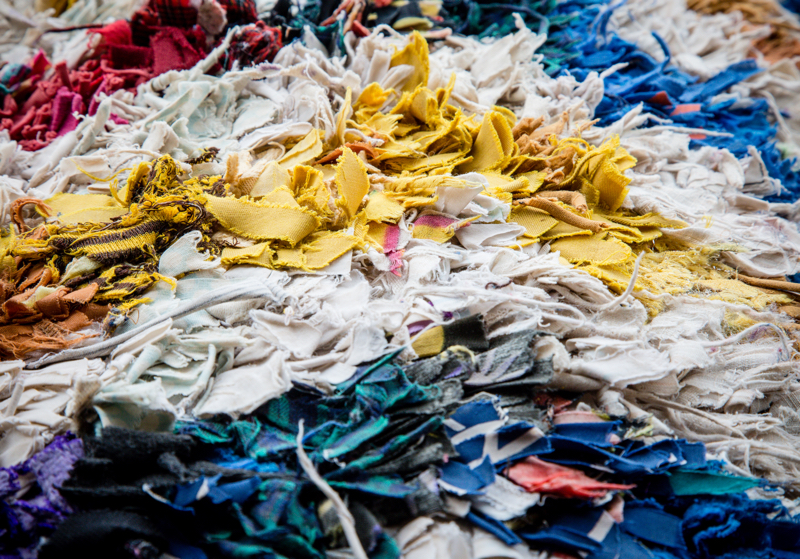
Fashion for Good and Textile Exchange launched the Tracing Textile Waste project in 2023, a two-year, multi-stakeholder initiative to standardise classification and traceability of pre-consumer textile waste. Central to this effort was developing a minimum viable product (MVP) based on the Textile Exchange Reclaimed Material Declaration Form (RMDF).
Following the completion of the project, Textile Exchange has confirmed it will officially launch a revised RMDF, using the learnings and recommendations from this project. The focus now turns to enabling widespread adoption and supporting continuous refinement.

Sorting for Circularity India
This project was designed to organise and optimise India’s textile waste supply chain. By evaluating various waste streams for collection, sorting, and pre-processing, the initiative aimed to enhance circularity in textiles. It sought to improve collection and sorting systems, foster recycling infrastructure, and introduce innovative solutions to generate new revenue streams and next-generation materials from textile waste-reducing reliance on virgin resources and minimising landfill and incineration.
Sorting for Circularity India: Post-Consumer Pilot
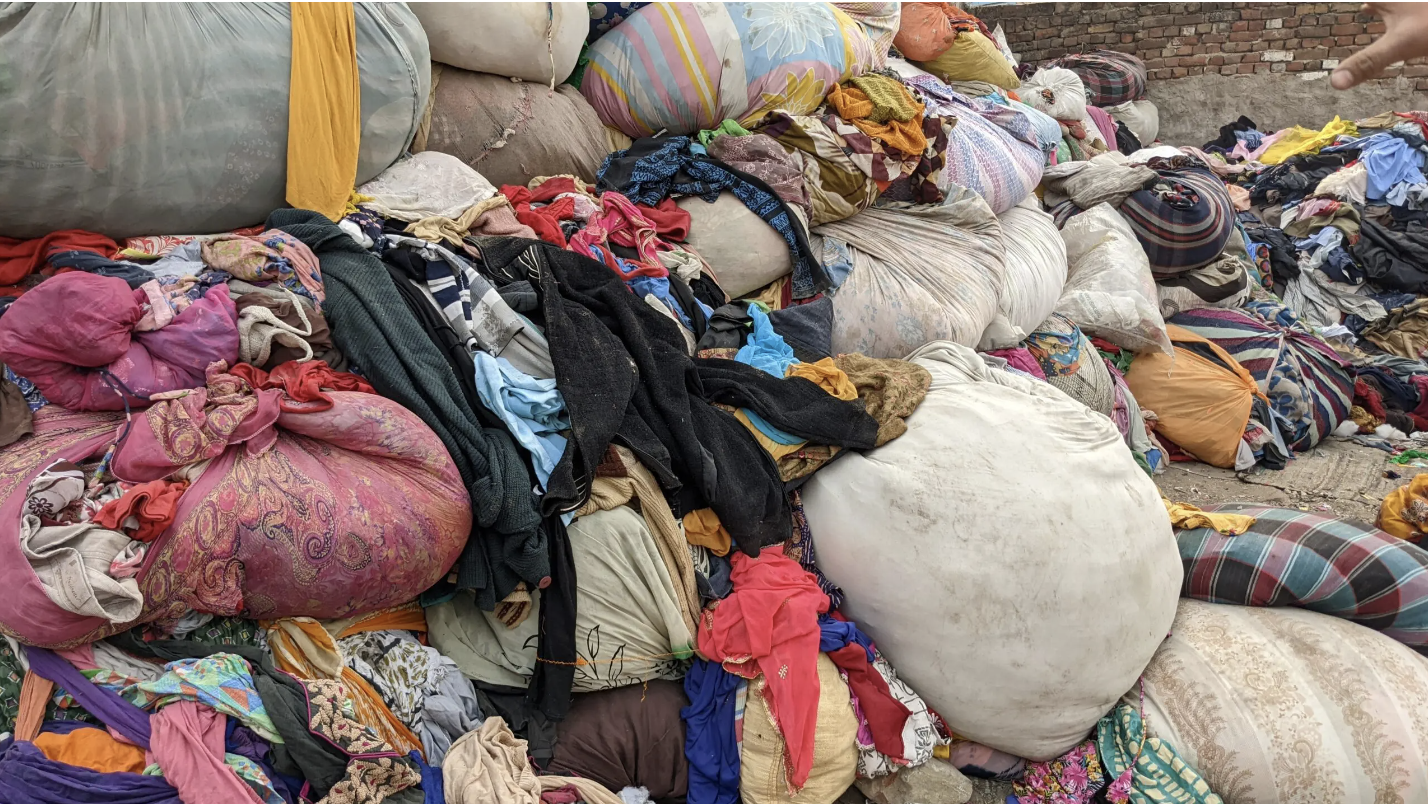
India generates around 3,944k tonnes of post-consumer textile waste annually, with 48% viable for recycling feedstock, though inadequate sorting and recycling systems prevent full utilisation. This project involved two primary pilots that tested sorting innovations: Matoha’s FabriTell desktop scanner for semi-automated sorting and PICVISA’s ECOSORT for fully automated sorting. The pilots aimed to assess these technologies’ ability to categorise waste by fibre and colour efficiently, ultimately facilitating quality feedstock production for recycling. Initial findings suggest India could effectively harness a closed-loop textile recycling system, with cotton and polyester blends as dominant waste types.
Sorting for Circularity India: Pre-Consumer Pilot
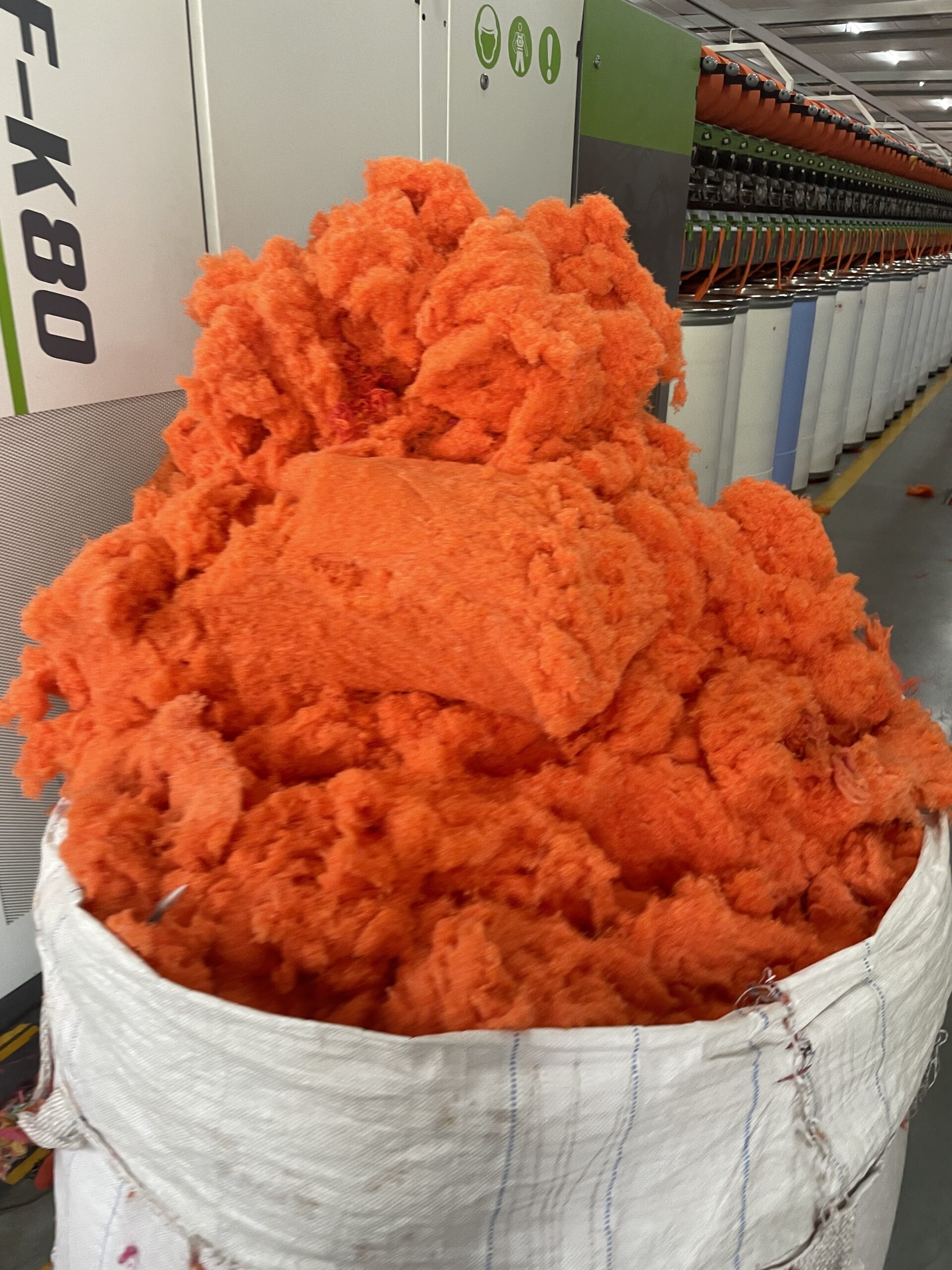
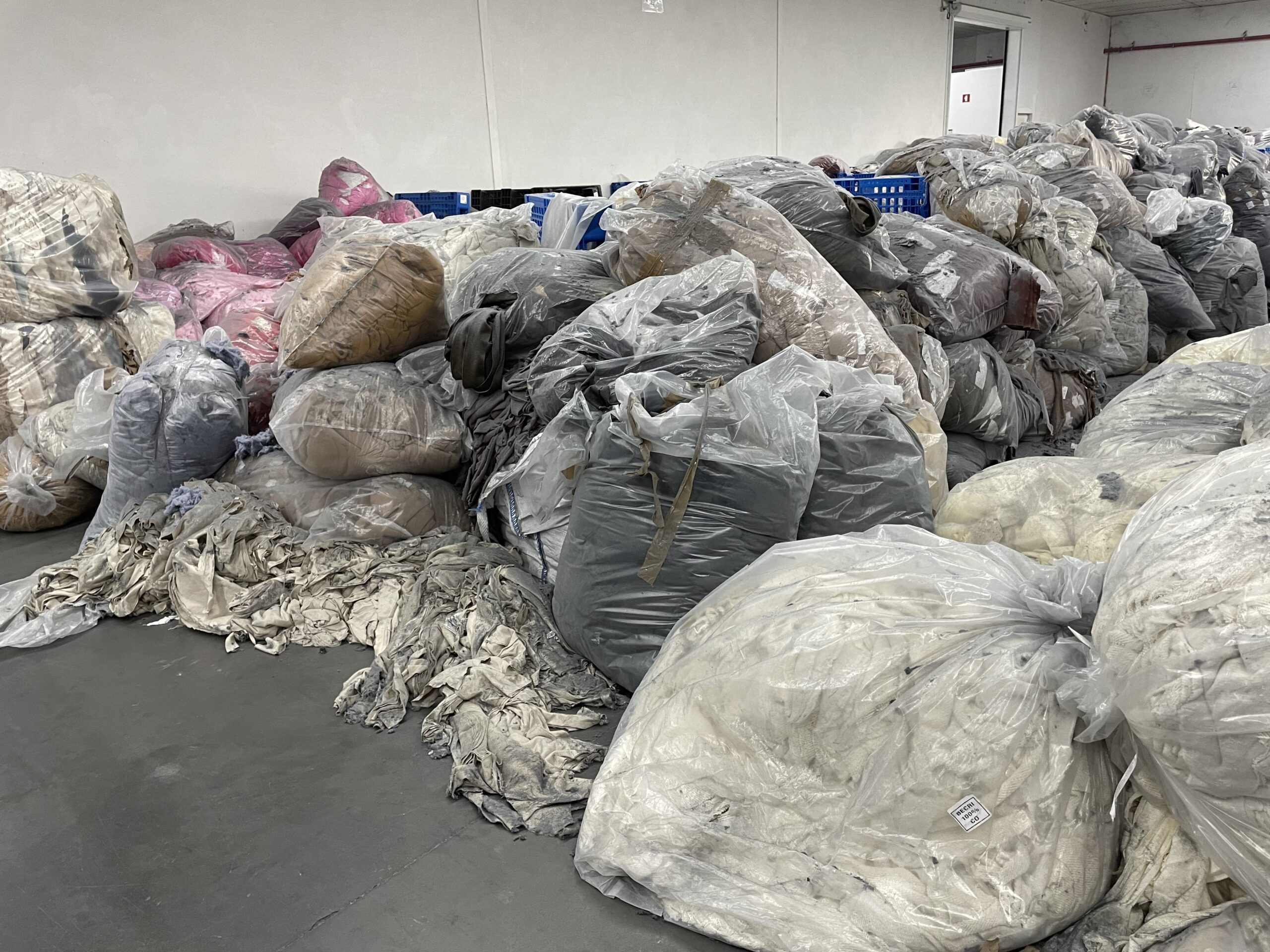
The Sorting for Circularity India Pre-Consumer Pilot aimed to organise the Indian textile waste market by establishing a circular economy that maximises value recovery from textile waste. This pilot addressed pre-consumer waste (factory floor cutting waste) and aimed to demonstrate a 360° closed-loop system, where factory waste is segregated, digitally traced, and then processed by recyclers to produce new fibres, which are returned to the production chain. The initiative sought to enhance transparency, traceability, and efficiency in India’s textile waste management system.
Sorting for Circularity USA
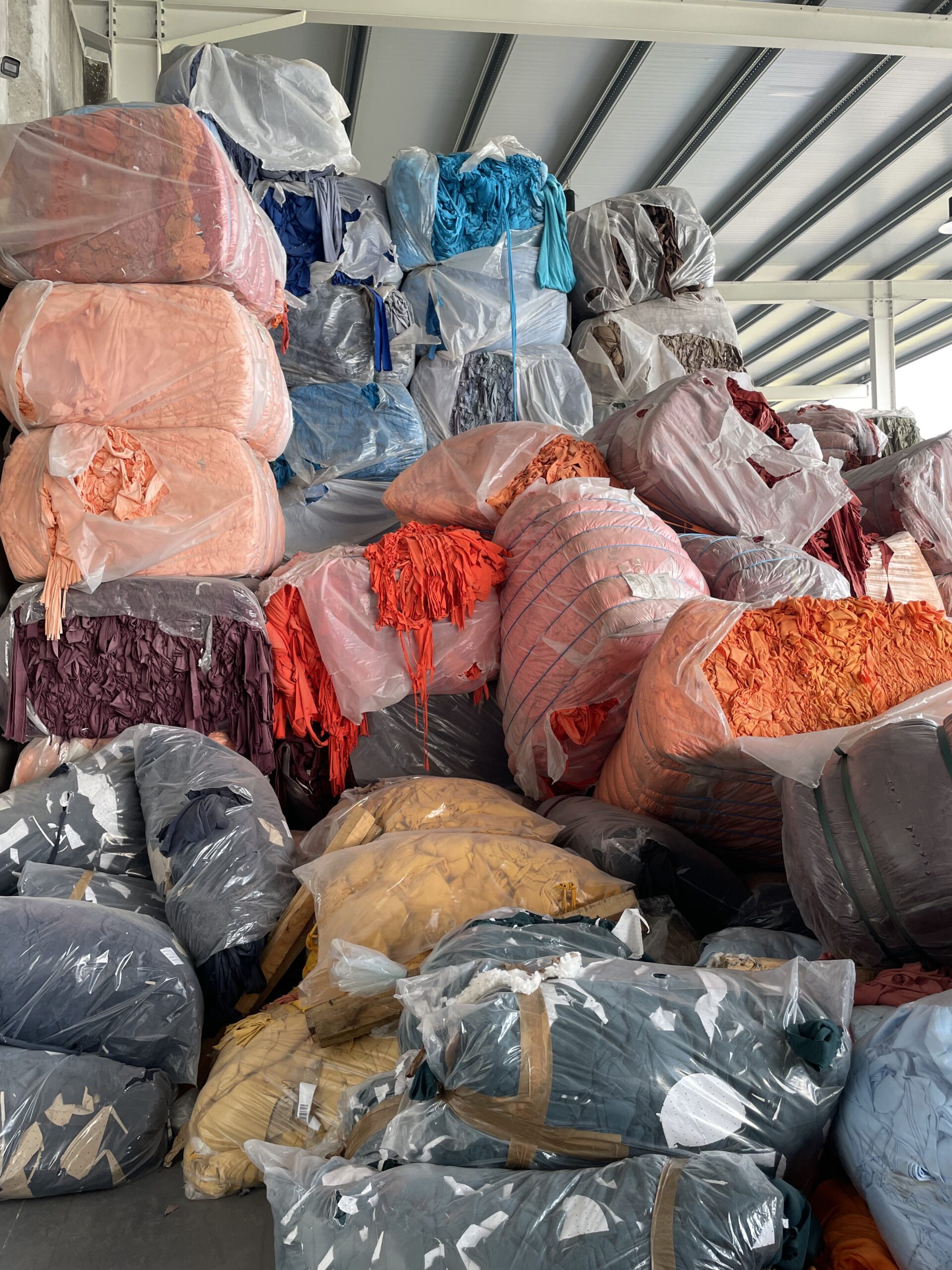
The project aims to assess the potential for fibre-to-fibre recycling in the United States. The project evaluated consumer behaviour around textile disposal and analysed post-consumer textile waste to determine its suitability for recycling. The goal was to promote circularity by improving textile collection systems and supporting the development of recycling infrastructures and technologies.
Sorting For Circularity Europe
The Sorting for Circularity Europe project was launched in early 2021 and initiated by Fashion for Good together with Circle Economy. The project was made possible by catalytic funding from Laudes Foundation and brand partners, adidas, BESTSELLER, Inditex and Zalando, with H&M Group as key project partners. The project addressed the need for data on textile waste in the market, identifying waste types and recycling opportunities.

Behind the Break
Behind the Break is a multi-phase research initiative developed by Fashion for Good in collaboration with The Microfibre Consortium. The project takes a research-led approach to advance the fashion industry’s understanding of fibre fragmentation, addressing uncertainties in existing testing protocols and key knowledge gaps. By supporting the development of a more credible and consistent foundation, the initiative aims to enable stakeholders to make informed decisions and take decisive action to mitigate fibre fragment pollution, while leveraging the best available science.
