T2T Pre-Assessment Questionnaire
The T2T (textile-to-textile) Pre-Assessment Questionnaire aims to accelerate the adoption of textile-to-textile recycling technologies by establishing a standardised due diligence framework for brands and recyclers. Developed by Fashion for Good with support from Textile Exchange, it addresses a critical gap in the industry: the absence of reliable, comparable data on environmental impact and technical performance across recycling technology providers. The tool reduces duplicative, ad-hoc information requests by replacing them with a single, structured assessment that captures what brands need to know and what recyclers need to communicate.
What’s the challenge?
According to a joint study by Fashion for Good and Boston Consulting Group (BCG), next-gen materials are projected to make up 8% of the global fibre market by 2030, driven largely by the growth of textile-to-textile (T2T) recycling.
However, despite clear industry-wide commitment to increasing recycled content, brands still face significant uncertainty when selecting the right technology partners. This uncertainty stems from a critical gap: the lack of reliable, robust data on both environmental impact and technical performance across different providers.
Without a standardised assessment framework, this creates a dual burden. Recyclers face an overwhelming volume of individual, ad-hoc information requests from brands, each with different requirements. Meanwhile, brands struggle to determine what questions to ask to effectively de-risk their technology partnerships.
About the Questionnaire
The T2T Pre-Assessment Questionnaire is a standardised due diligence and assessment framework developed by Fashion for Good with support from Textile Exchange for textile-to-textile recycling technologies and providers. By creating efficiency, consistency, and trust across the industry, the tool reduces duplicative requests, establishes standardised evaluation frameworks, and promotes transparency between brands and technology providers.
-
For brands: It delivers a harmonised Due Diligence framework through detailed recycler profiles that enable more precise risk assessment across providers. This reduces time and costs from repetitive 1:1 interactions while enabling faster, data-driven decisions.
-
For recyclers: It provides clarity and efficiency through a single, standardised set of questions that captures what brands need to know. Rather than responding to dozens of different requests with varying formats and requirements, recyclers can prepare one comprehensive document that addresses industry-standard expectations. This reduces workload while providing direct insight into brand sustainability targets, enabling better strategic alignment.
How it Works
Fashion for Good, with the support from Textile Exchange, developed this structure through an iterative, collaborative process, with multiple rounds of feedback and refinement from leading brands and recyclers, ensuring the tool is both rigorous and practical. It takes the form of a structured, modular questionnaire, and in practice, the T2T Pre-Assessment Questionnaire works as:
-
A common due diligence language shared by brands and recyclers
-
A pre-competitive assessment framework aligned across the industry
-
A risk-filtering mechanism to quickly surface red flags and high-potential solutions
-
A decision-acceleration tool that reduces time, cost and uncertainty in technology selection
The T2T Pre-Assessment Questionnaire is structured around a prioritised questionnaire that brands and manufacturers can deploy across two stages of engagement: Priority 1 Questions are used during the first interaction with recyclers to quickly assess fundamental fit and identify potential showstoppers. Priority 2 Questions are deployed in subsequent meetings to dive deeper into technical capabilities, environmental performance, and operational readiness.
This staged approach helps brands efficiently determine whether there is a strategic match with recyclers, while giving recyclers clear visibility into what is expected from them upfront, eliminating surprises and reducing back-and-forth.
Disclaimer: All information exchanged remains confidential between the parties involved.
Where previous tools by Fashion for Good addressed the “why” and “how much” of scaling next gen materials (see: Scaling Next-Gen materials: an Executive Guide, Price Parity Toolkit), the T2T Pre-Assessment Questionnaire tackles the “who” and “how”, providing brands with a clear framework to identify and engage the right technology partners with confidence.
FAQ's
What is the Textile-to-Textile Pre-Assessment Questionnaire?
The T2T (textile-to-textile) Pre-Assessment Questionnaire is a standardised due diligence and assessment framework developed by Fashion for Good in collaboration with Textile Exchange to streamline communication between textile-to-textile recycling technologies, brands and manufacturers. It establishes a common evaluation language across the industry, promoting efficiency, consistency, and trust between brands and recyclers.
Why was this tool developed?
Despite growing industry commitment to recycled content, brands and recyclers were struggling with a significant data gap. Brands lacked a consistent way to evaluatetechnology partners, while recyclers were overwhelmed by ad-hoc, duplicative information requests from multiple brands, each with different formats and requirements. The questionnaire was developed to solve both problems at once and foster collaboration and possible future business partnerships.
Who is the T2T Pre-Assessment Questionnaire for?
The tool is designed for two audiences: brands and manufacturers looking to identify and de-risk textile-to-textile recycling technology partnerships, and recyclers seeking to communicate their capabilities efficiently to multiple potential partners through a single, standardised document.
How was the T2T Pre-Assessment Questionnaire developed?
Fashion for Good, in collaboration withTextile Exchange, built the framework through an iterative, collaborative process involving multiple rounds of feedback from leading brands, recycling technologies and providers, ensuring the tool is both rigorous enough to be meaningful and practical enough to be widely adopted.
What are the practical benefits of using the T2T Pre-Assessment Questionnaire?
For brands, it reduces the time and cost of repetitive one-to-one interactions and enables faster, data-driven technology evaluation. For recyclers, it replaces dozens of varying requests with one comprehensive document aligned to industry-standard expectations, reducing workload while offering direct insight into brand sustainability targets.
As a recycler, will this replace the individual requests I receive from brands?
Not necessarily overnight, but it’s designed to significantly reduce them. Rather than reacting to each brand’s requirements, recyclers complete this one standardised questionnaire to cover the core due diligence needs shared across the industry. Recyclers can then proactively bring that ready-made profile to new brand conversations, removing the burden of repetitive, fragmented requests.
As a recycler, what kind of information will I need to provide?
The questionnaire captures what brands expect to know when evaluating a technology partner, covering areas such as environmental impact, technical performance, scalability, and economic feasibility. It’s structured and modular, so you’ll know exactly what’s expected upfront. Disclaimer: All information exchanged remains confidential between the parties involved.
As a brand, how does this help me choose between recycling technology providers?
The questionnaire is not intended to provide a final assessment of recyclers or a definitive basis for selection. Instead, it serves as a structured starting point, offering transparent insights into each provider’s environmental impact, technical performance, and commercial readiness. This helps brands and manufacturers identify relevant technology partners and supports more informed discussions, guiding further engagement, validation, and testing.
As a brand, how does this reduce risk in our technology partnerships?
The framework acts as a risk-filtering mechanism, surfacing red flags early and helping your teams ask the right questions before committing to a partnership. Because it was developed collaboratively with leading brands and recyclers, it reflects real-world due diligence needs rather than theoretical ones.
Why is the questionnaire divided into Priority 1 and Priority 2 questions?
The T2T Pre-Assessment Questionnaire is structured in a two-tier format to support a staged engagement with brands and manufacturers: Priority 1 Questions are used in the initial interaction with recyclers to quickly assess fundamental fit and identify potential showstoppers. Priority 2 Questions are reserved for more in-depth and confidential discussions, typically in follow-up meetings. These questions allow for a deeper exploration of technical capabilities, environmental performance, and operational readiness, once a stronger relationship has been established.
Ecosystem Partner

Advisors







Relevant Resources

T-REX Project
The T-REX Project brings together 13 major players from across the entire value chain to create a harmonised EU blueprint and business opportunities for closed loop sorting, and recycling of household textile waste. Transforming end-of-use textiles, from waste, into a desired feedstock, and a commodity for new business models that can be adopted at scale.

Full Circle Textiles Project – Polyester (FCTP-P)
The aim of the Full Circle Textiles Project – Polyester (FCTP-P) is to validate and scale promising technologies in polyester chemical recycling and to encourage financing and offtake commitments in the fashion industry. The project builds on the framework and lessons of the Full Circle Textiles Project – Cellulosics (FCTP-C), which focused on investigating economically viable and scalable solutions for cellulosic chemical recycling. It brings together a consortium of stakeholders including brands, innovators, supply chain partners and catalytic funders – a structure that has proven successful in driving and scaling disruptive innovation in the industry. This is an ongoing project.

Sorting for Circularity India
This project was designed to organise and optimise India’s textile waste supply chain. By evaluating various waste streams for collection, sorting, and pre-processing, the initiative aimed to enhance circularity in textiles. It sought to improve collection and sorting systems, foster recycling infrastructure, and introduce innovative solutions to generate new revenue streams and next-generation materials from textile waste-reducing reliance on virgin resources and minimising landfill and incineration.
Sorting for Circularity Framework
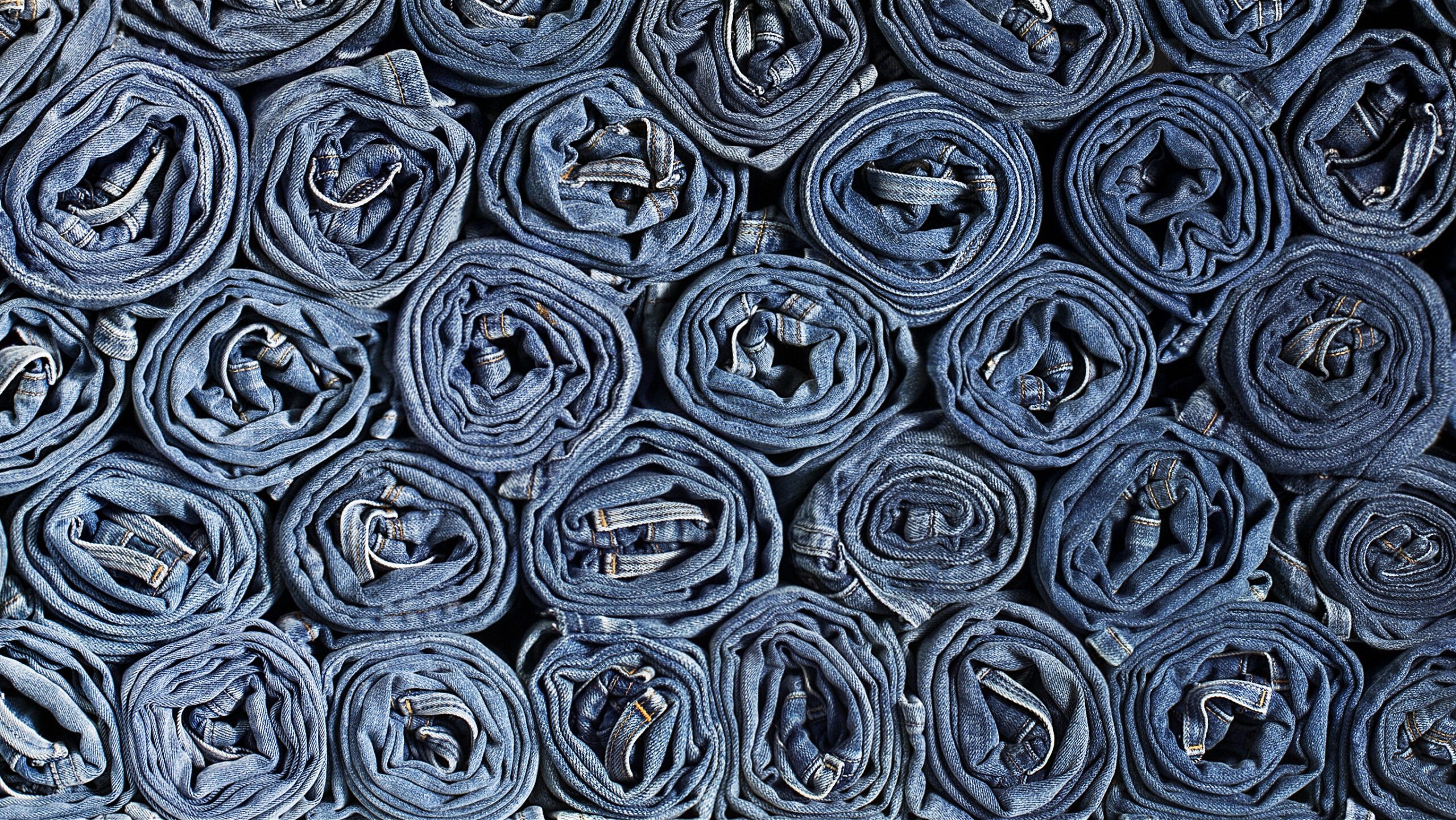
Launched in 2021, the Sorting for Circularity Framework aims to bridge the gap between the textile sorting and recycling industries by improving data collection on textile waste volumes and characteristics (such as composition, quality and colour). This initiative was designed to address the critical lack of information and implementation needed to enhance textile waste management and recycling processes using sorting and traceability.
Sorting for Circularity USA
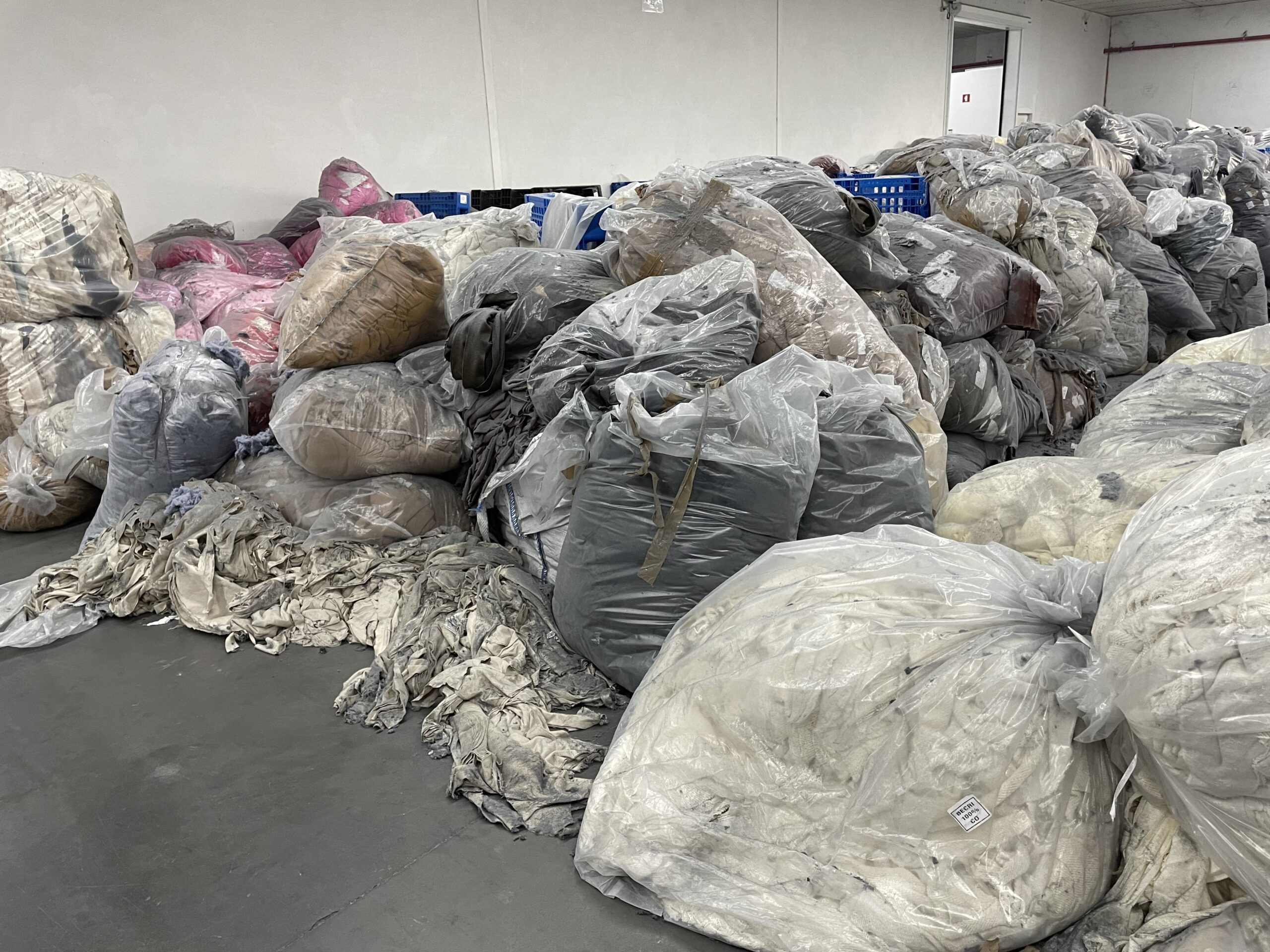
The project aims to assess the potential for fibre-to-fibre recycling in the United States. The project evaluated consumer behaviour around textile disposal and analysed post-consumer textile waste to determine its suitability for recycling. The goal was to promote circularity by improving textile collection systems and supporting the development of recycling infrastructures and technologies.
Sorting For Circularity Europe
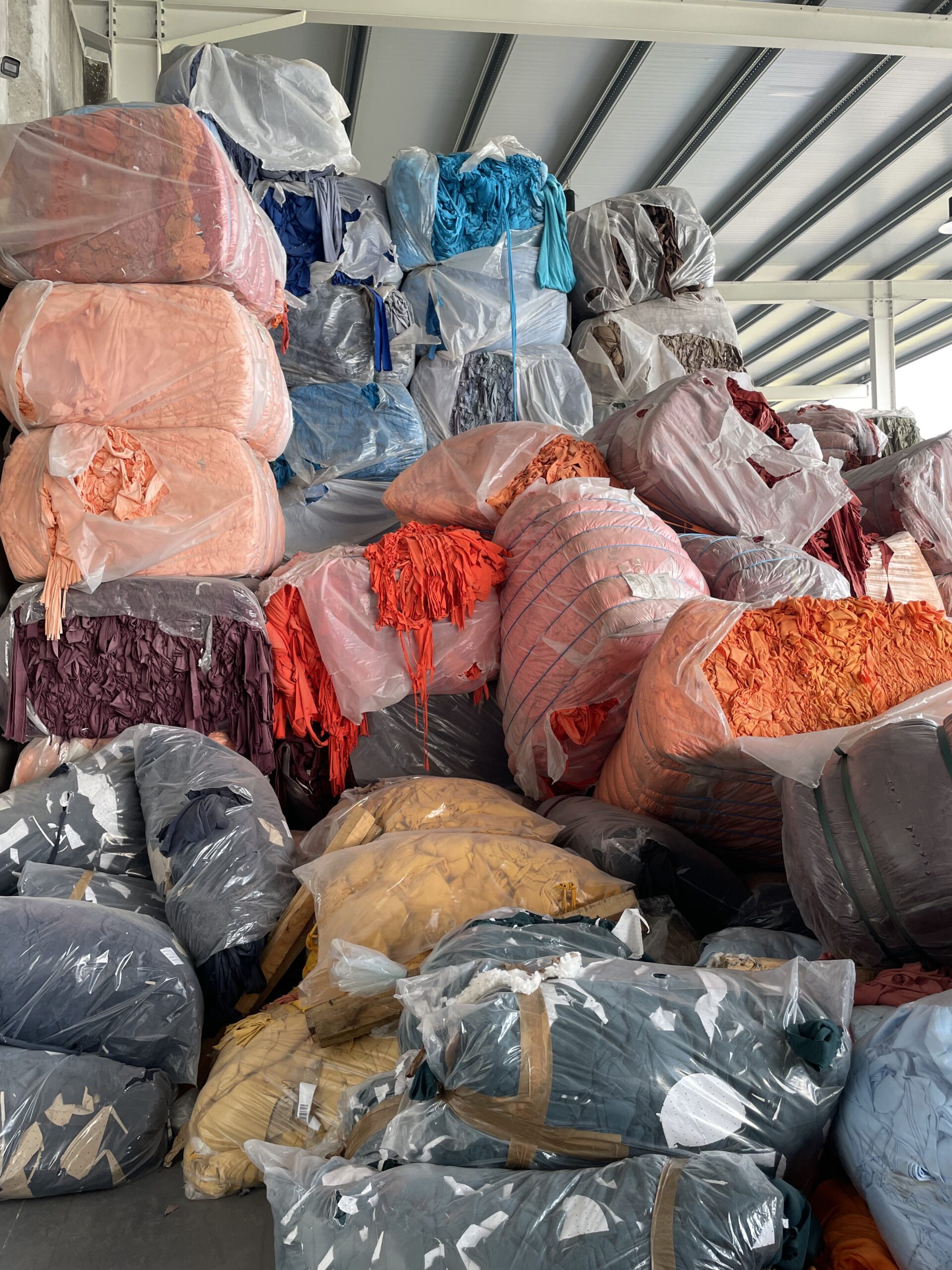
The Sorting for Circularity Europe project was launched in early 2021 and initiated by Fashion for Good together with Circle Economy. The project was made possible by catalytic funding from Laudes Foundation and brand partners, adidas, BESTSELLER, Inditex and Zalando, with H&M Group as key project partners. The project addressed the need for data on textile waste in the market, identifying waste types and recycling opportunities.

Fashion for Good’s Latest Project Spotlights Polyester Recycling
The writing is on the wall for polyester and its crude oil origins. Today, Amsterdam-based innovation firm Fashion for Good announced a new polyester-focused project, Full Circle Textiles Project – Polyester, borrowing from the findings in its Full Circle Textiles Project, which launched formally in September. The current project aims to validate and scale up promising technologies in polyester recycling. [SUBSCRIPTION REQUIRED]

Can Recycling Fix Fashion's Landfill Problem?
For nearly 20 years Adidas AG has pursued an environmental and technological holy grail: a sneaker that can be recycled and reused in new shoes without any waste. It’s a feat of design and engineering that has proved elusive.

A New Frontier in Chemical Recycling

Creating a Circular System to Accelerate Textile Recycling
Full Circle Textiles Project Focuses on Scaling Polyester Recycling
Other Projects

DW(O)R-X
Durable water- and oil-repellent repellency (DW(O)R) finishes are chemical treatments applied to textiles and footwear to keep materials dry, clean, breathable, and durable. Historically, these finishes have relied on per- and polyfluoroalkyl substances (PFAS). However, PFAS are highly persistent, accumulate in the environment and in human bodies, and are associated with harmful health and ecological effects. Increasing regulatory restrictions, combined with brand sustainability commitments and rising consumer awareness, are accelerating the shift toward PFAS-free alternatives.

Sorting for Circularity Rewear
Fashion for Good expanded its Sorting for Circularity framework to address the challenge of sorting for rewearable textiles to understand better their resale potential and the demand across the second-hand market. We launched an 18-month initiative in January 2024 in collaboration with Circle Economy, brand partners adidas, Inditex, Levi Strauss & Co. and Zalando to enhance the sorting of rewearable textiles using innovative AI technologies. The project seeks to improve garment recovery for resale, promoting circularity in the fashion industry.

Behind the Break
Behind the Break is a multi-phase research initiative developed by Fashion for Good in collaboration with The Microfibre Consortium. The project takes a research-led approach to advance the fashion industry’s understanding of fibre fragmentation, addressing uncertainties in existing testing protocols and key knowledge gaps. By supporting the development of a more credible and consistent foundation, the initiative aims to enable stakeholders to make informed decisions and take decisive action to mitigate fibre fragment pollution, while leveraging the best available science.
