
About Kering
A global luxury group, Kering manages the development of a series of renowned Houses in Fashion, leather goods and jewellery: Gucci, Saint Laurent, Bottega Veneta, Balenciaga, Alexander McQueen, Brioni, Boucheron, Pomellato, DoDo, Qeelin, Ginori 1735 as well as Kering Eyewear and Kering Beauté. Kering promotes modern, authentic, and genuine luxury that enables everyone to express their unique personality. By placing creativity at the heart of its strategy, Kering enables its Houses to set new limits in terms of their creative expression while crafting tomorrow’s luxury in a sustainable and responsible way.
Related Projects

Biosynthetic Feedstock Evaluation
The Biosynthetic Feedstock Evaluation is an initiative in collaboration with BESTSELLER, aimed at accelerating the industry’s shift towards alternatives to fossil-fuel polymers. The assessment will be conducted in partnership with industry experts, nova-Institute.

Viscose Traceability Pilot
In December 2020, Fashion for Good launched a pilot to test the TextileGenesis™ platform, a blockchain-based solution for tracing sustainable viscose fibres. This pilot involved several partners including Bestseller, Kering and Zalando, in addition to manufacturers Lenzing, ENKA and Tangshan Sanyou. The pilot’s aim was to test the TextileGenesis™ platform and trace responsibly sourced viscose through digital and physical means across the supply chain.

Organic Cotton Traceability Pilot
This project tested the feasibility of tracking organic cotton, from farms to retail, using on-product markers and blockchain technology.

Behind the Break
In early 2024, Fashion for Good and The Microfibre Consortium joined forces on “Behind the Break: Exploring Fibre Fragmentation”, a collaborative project designed to advance the industry’s understanding of fibre fragmentation. Although fibre fragmentation is an issue that spans multiple industries, this project specifically focuses on the textile and fashion value chain, aligning with the missions of Fashion for Good and its partners to drive systemic change towards a more sustainable industry.

From Waste to Black Pigment
The aim of the project was to validate the use of black pigments derived from waste materials to replace conventional carbon black from virgin fossil fuels in dope dyeing applications. The aim is to reduce the environmental impact of textile dyeing by using renewable, eco-friendly pigments sourced from waste.

Materra Pilot
The aim of the pilot was to test and refine Materra’s technology to grow extra long staple cotton at a pilot farm, as historically this variety of cotton has not been grown in large volumes in this region due to specific climatic requirements for cultivation.

The London Polybag Collection Scheme Pilot
The London Polybag Collection Scheme Pilot aimed to address the low recycling rates of polybags used in the fashion industry by trialling a scalable recycling infrastructure for collecting and processing polybag waste into new materials.

The Circular Polybag Pilot
The aim of the pilot was to tackle the environmental issues caused by virgin polybags in the fashion industry. This industry-first pilot aimed to create a closed-loop recycling solution for polybags, using post-consumer polybag waste and achieving a high level of recycled content suitable for industry needs.
Full Circle Textiles Project – Cellulosics (FCTP-C)
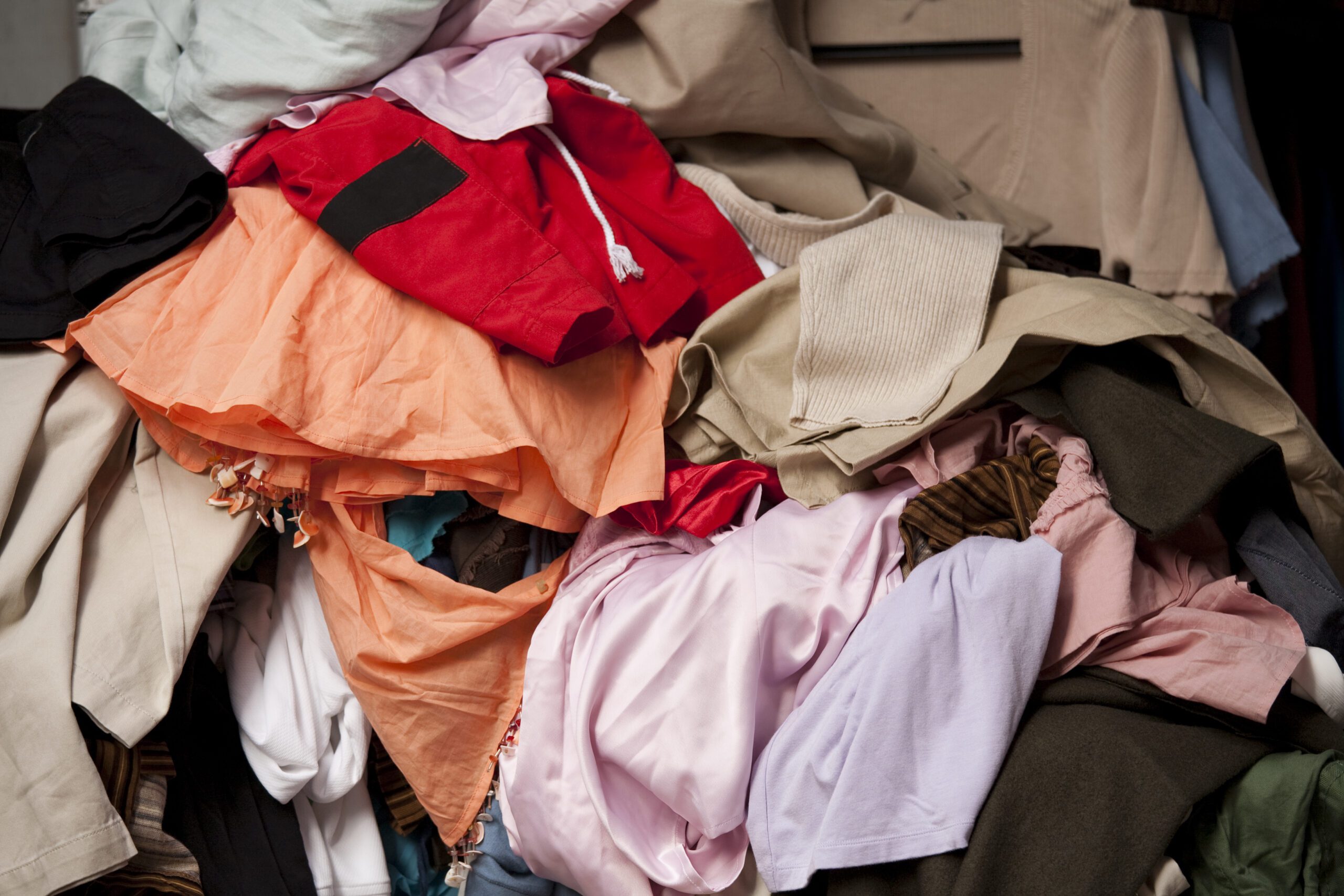
The ambition of the FCTP-C Project was to validate economically viable and scalable promising technologies in cellulosic chemical recycling from a select group of innovators to tackle these issues. Leading global organisations Laudes Foundation, Birla Cellulose, Kering, PVH Corp. and Target joined Fashion for Good to explore the disruptive solutions, with the goal of creating new fibres and garments from used clothing and ultimately drive industry-wide adoption.

D(R)YE Factory of the Future
Fashion for Good launched D(R)YE Factory of the Future in January 2022 in collaboration with brand partners Kering, adidas, PVH Corp. and manufacturing partners Arvind Limited and Welspun India with the aim of validating the most promising technology combinations in pretreatment and colouration processing steps to support the widespread adoption of mostly waterless innovations within the textile industry.
