Problem Statement
Next-gen materials offer a vital solution for future business growth and the achievement of the fashion industries goals.
Next-gen materials present significant opportunities during a time of mounting challenges, including climate change, textile waste accumulation, geopolitical turbulence, tightening regulations and commodity competition. However, as of today, next-gen materials – make up less than 1% of global fibre production.
The scaling of next-generation materials is hindered by financial, technical, and operational obstacles. Overcoming these challenges is key to achieving the transition the fashion industry needs towards next-gen materials – and that is what Fashion for Good is setting out to do.
.
How are we addressing this area?
Our report, Scaling Next-Gen Materials in Fashion: An Executive Guide, reveals that next-gen materials could represent 8% of the total fibre market by 2030, equivalent to approximately 13 million tonnes. (Note: This analysis doesn’t include leather alternatives)
Scaling next-gen materials requires both individual brand action and industry-wide collaboration across three primary levers: Demand, cost & capital. Fashion for Good’s initiatives support the industry across those levers in order to bend the adoption curve and reduce the cost of the transition.
Our Initiatives
Through our work in next-gen materials we aim to enable promising innovators to successfully move from lab/pilot scale to commercial scale. Our activities span across 3 pillars:
INNOVATION SCOUTING
Where we continuously track emerging material developments to identify high-potential next-gen innovations that can advance through our innovation pipeline.
Thematic Landscapes
COLLABORATIVE VALIDATION
Where brands, innovators and suppliers jointly test next-gen materials to validate performance and impact, de-risking adoption by sharing costs and lessons learned.
COMMERCIALISATION & SCALING
Where we co-create commercial models addressing key scaling barriers, operationalising them with innovators, brands and suppliers to accelerate market adoption.
Next-Gen Material Definitions
Next-gen materials are innovative materials with desired improved environmental outcomes aiming to solve complex sustainability and circularity challenges faced by the industry. For a full definition, please check our our report, Scaling Next-Gen Materials in Fashion: An Executive Guide.
At Fashion for Good, our work is currently focused on the following categories of next-gen materials:
Recycling
Integrated recycling
Recycling processes that combine mechanical and chemical methods used to process cotton and polyester textile waste.
T2T (Textile-to-Textile) chemical recycling PET
Chemical recycling is a generic term that includes several recycling processes (solvent processing, depolymerisation, gasification). Depending on recycling processes, energy consumption, yield and output vary broadly; reaction outputs are syngas, monomers, polymers. The recycling process produces substances that can be used as raw material to manufacture new material. PET chemical recycling uses PET rich textile feedstock and one of the following processes: glycolysis, hydrolysis, or methanolysis to break the polyester down to the monomer level. Each of these processes produces a different monomer output which will then require repolymerisation to PET.
T2T chemical recycling PA
Chemical recycling is a generic term that includes several recycling processes (solvent processing, depolymerisation, gasification). Depending on recycling processes, energy consumption, yield and output vary broadly; reaction outputs are syngas, monomers, and polymers. The recycling process produces substances that can be used as raw material to manufacture new material. Nylon recycling processes nylon-rich textile waste through chemical recycling, breaking it down into monomers which are then repolymerised to create new polyamides (nylon).
MMCF
T2T chemical recycling MMCF
The chemical recycling process produces substances that can be used as raw material to manufacture new material. Cellulosic chemical recycling uses cellulose rich (for example, cotton) textile waste feedstock through solvent processing to create a manmade cellulosic pulp/fibre.
Alternative processing MMCF
Alternatives to MMCF processing with hypothesised reduced impact (for example, fewer chemicals) when compared to conventional viscose or other MMCF processes. Examples include utilisation of ionic liquids as a solvent or mechnophysical techniques.
Alternative feedstock MMCF
Utilisation of alternative feedstocks (nontextile waste) to produce pulp for MMCF production. Examples include agri-residue and bacterial cellulose.
Waste Types
Postindustrial textile waste
Any waste that gets generated as a by-product of industrial processes such as milling, spinning, printing and garmenting. This waste is a subset of the preconsumer waste.
Preconsumer textile waste
Preconsumer waste includes all postindustrial waste as well as any leftover/unsold materials or products such as fabric ends, unsold garments, so on.
Postconsumer textile waste
Textiles that have been disposed of after consumption and use by the citizen or end-users of commercial or industrial institutions, processed by a specialised textile sorter.
Bio-based material
Cottonised bast fibers
Fibres derived from the outer cell layers of the stems of various plants, both cultivated for use in textiles and agri-residue fibres. These fibres undergo cottonisation processing to shorten bast fibre length and remove lignin and other components to allow for spinning on cotton machinery and improved handfeel and aesthetic properties. These cottonisation processes can be mechanical, chemical, enzymatic or other, or used in combination.
Biosynthetics
Biosynthetics are synthetic polymer materials comprised, in whole or in part by bio-derived compounds. These compounds can either be made with an input of biological origin (biomass), and/or where the process is performed by a living microorganism. For bio-based PET, either the ethylene glycol or terephthalic acid are made from bio feedstocks. Other biosynthetic polymers include PHA, PLA, and PBS.
Bio feedstocks
Bio feedstocks are feedstocks derived from biological origin. Feedstocks commonly used include corn, sugarcane, sugarbeets and in the future could also include agri-residues, methane gas and captured carbon emissions.
Biofabricated proteins
Man-made fibres produced from protein polymers which are biofabricated by genetically modified microbes fed on nutrients (sugar feedstock). The polymer is extracted, purified, dried and then the protein polymer solution is spun into fibres.
Regenerated proteins
Man-made fibres produced from either animal or vegetable nonfibrous proteins which have been reconfigured to take up a fibrous form. The process requires the isolation of the polymer from the source material for solubilisation so that it can be extruded or spun.
Related Projects

Price Parity Toolkit
The Price Parity Toolkit (PPT) was designed to help bridge the price gap between next-gen* and conventional materials. This industry-supported framework, with catalytic funding from Laudes Foundation and developed by Fashion for Good with support from Canopy, Finance Earth and select brands and fibre producers, introduces a financing mechanism. This mechanism aims to decouple price premiums early in the supply chain, thereby enabling the adoption and scaling of lower-impact materials.
T2T Pre-Assessment Questionnaire
The T2T (textile-to-textile) Pre-Assessment Questionnaire aims to accelerate the adoption of textile-to-textile recycling technologies by establishing a standardised due diligence framework for brands and recyclers. Developed by Fashion for Good with support from Textile Exchange, it addresses a critical gap in the industry: the absence of reliable, comparable data on environmental impact and technical performance across recycling technology providers. The tool reduces duplicative, ad-hoc information requests by replacing them with a single, structured assessment that captures what brands need to know and what recyclers need to communicate.

Stretching Circularity
The Stretching Circularity Project aims to accelerate the development and adoption of lower-impact elastane solutions for the apparel industry through two workstreams. One workstream focuses on testing next-generation elastane materials made from alternative inputs, including bio-based materials and other feedstocks. The other focuses on testing regenerated elastane made through emerging recycling innovations. Both workstreams follow a pilot-scale validation approach to generate comparable data on performance, impact, economic feasibility and scalability.

Mass Balance Demonstrator
The Mass Balance Demonstrator project aims to adopt and scale up biomass-attributed PET by implementing the mass balance attribution (MBA) chain-of-custody model. Its core purpose is to replace fossil-based feedstocks with renewable feedstocks, thereby speeding up brand-driven decarbonisation.

The Next Stride: Bio-based Materials for Footwear Soles
“The Next Stride: Bio-based Materials for Footwear Soles” aims to validate the performance and environmental impact of bio-based polymers as sustainable alternatives to the fossil fuel-derived materials currently used in footwear soles. The objective is to collectively de-risk the transition to these “next-generation” materials by rigorously testing their technical properties and assessing environmental benefits. Ultimately, the purpose is to accelerate the adoption of these bio-based solutions and pave the way for a more sustainable footwear industry.

Beyond50 Denim: Combining Cottonised Hemp And Green Chemistry
“Beyond50 Denim: Combining Cottonised Hemp And Green Chemistry” aims to validate the performance and environmental impact of cottonised hemp processed with green chemistry to act as a true alternative to cotton in denim applications. The project goal is to evaluate the performance of SEFF’s cottonised hemp fibre in combination with Fibre52’s bio-friendly chemistry solution within denim fabric applications with a total hemp content of 50% and above. The fabrics will be benchmarked against conventional 100% cotton denim with a specific focus on handfeel and aesthetic characteristics.
Cotton Reloop Matrix
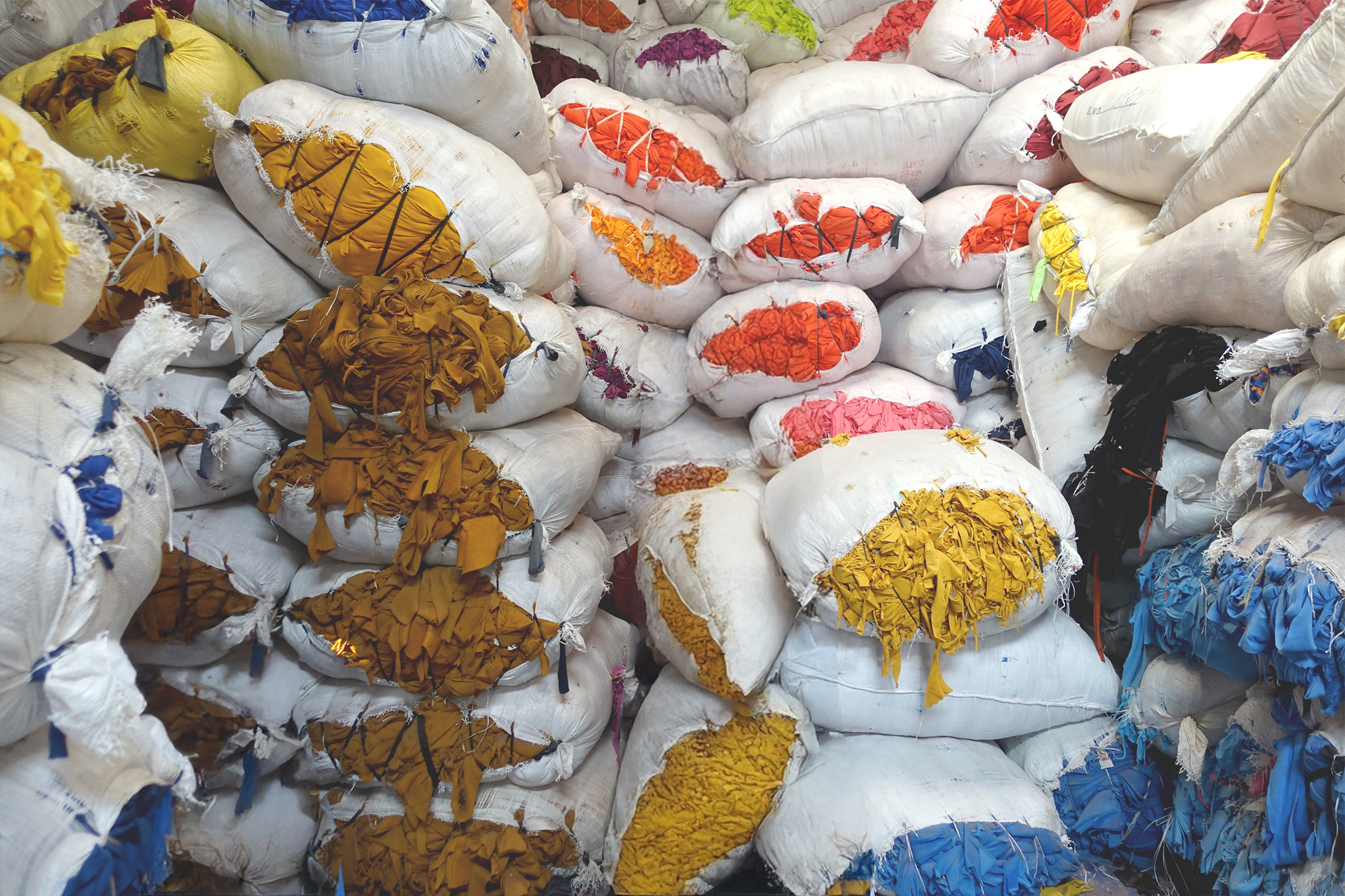
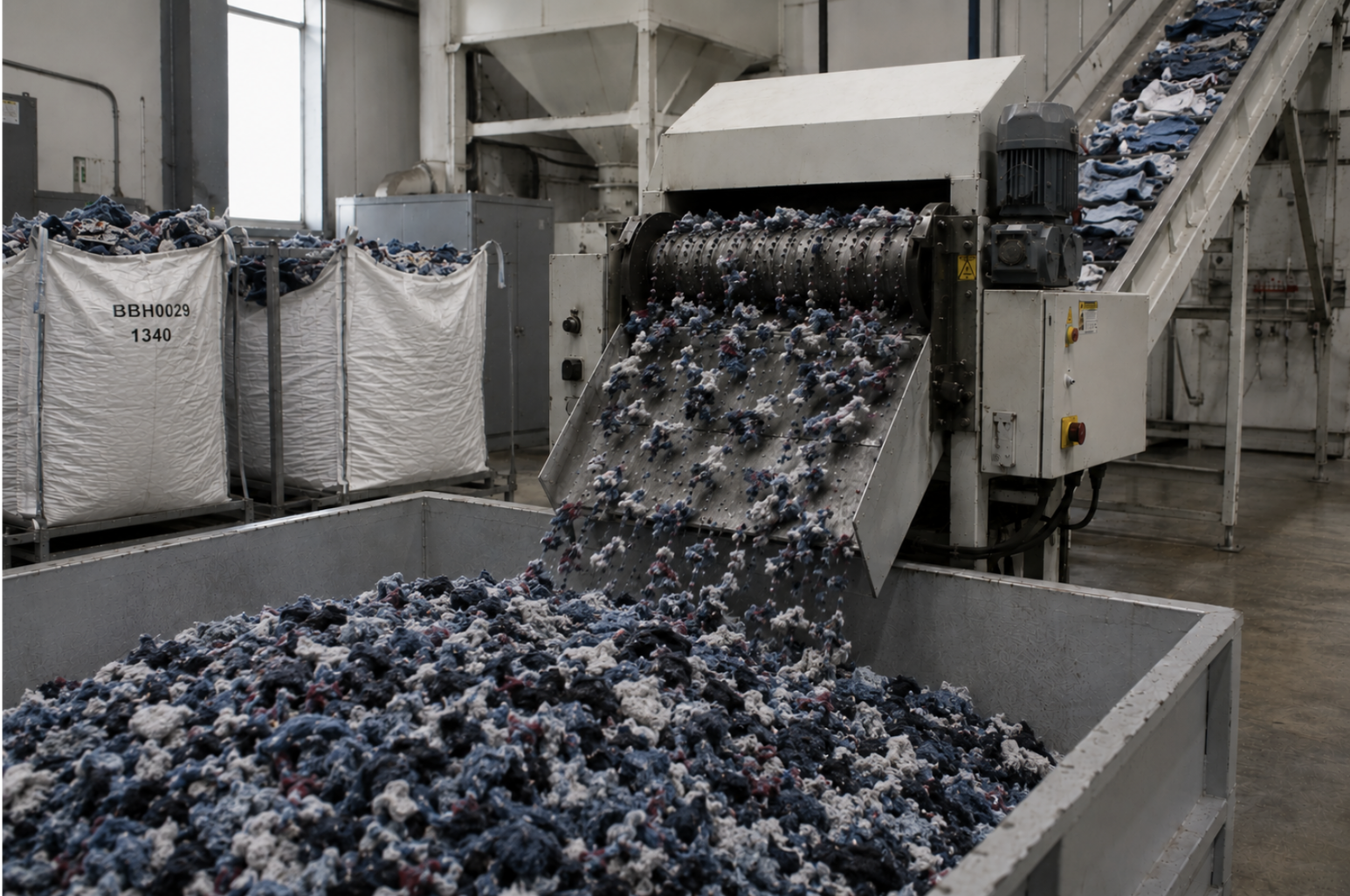
The Cotton Reloop Matrix Project maps and validates what mechanically recycled cotton fibre and yarn can currently deliver against real-world brand specifications, while collaborating with the supply chain to establish a Standard Operating Procedure (SOP) for handling and processing recycled fibres, building the shared, objective view needed to close that gap.

Feedstock Activation Europe: FAE
Project FAE (Feedstock Activation Europe) is an initiative led by Fashion for Good to channel post-consumer textiles as feedstock for textile-to-textile recycling at scale. It addresses a core gap in the value chain: today, sorters cannot viably prepare post-consumer material at the price, quantity and quality recyclers require, leaving most non-rewearable textiles with no viable destination.

Closing the Footwear Loop
The “Closing the Footwear Loop” project is a major initiative led by Fashion for Good, bringing together leading fashion and footwear brands and their existing circularity programs to tackle the complex challenges of circularity in the footwear industry. The project aims to transform the current linear “take-make-dispose” model into a circular one.

Viscose Traceability Pilot
In December 2020, Fashion for Good launched a pilot to test the TextileGenesis™ platform, a blockchain-based solution for tracing sustainable viscose fibres. This pilot involved several partners including Bestseller, Kering and Zalando, in addition to manufacturers Lenzing, ENKA and Tangshan Sanyou. The pilot’s aim was to test the TextileGenesis™ platform and trace responsibly sourced viscose through digital and physical means across the supply chain.

Organic Cotton Traceability Pilot
This project tested the feasibility of tracking organic cotton, from farms to retail, using on-product markers and blockchain technology.

Behind the Break
Behind the Break is a multi-phase research initiative developed by Fashion for Good in collaboration with The Microfibre Consortium. The project takes a research-led approach to advance the fashion industry’s understanding of fibre fragmentation, addressing uncertainties in existing testing protocols and key knowledge gaps. By supporting the development of a more credible and consistent foundation, the initiative aims to enable stakeholders to make informed decisions and take decisive action to mitigate fibre fragment pollution, while leveraging the best available science.

Fiber Club
Fiber Club is an umbrella initiative by Fashion for Good and selected innovators, aimed at enabling faster adoption of next-gen materials, through Innovator specific consortia that provide brands with early and simplified access to an innovator’s materials, secure supply terms, and seamless supply chain integration. By aggregating demand and standardising specifications, the program de-risks innovation for brands and suppliers alike, fostering the market validation necessary for innovators to secure long-term partnerships. Fiber Club aims to not only shift the cost structure but to help align brands in a very fragmented and competitive industry.

Renewable Carbon Project
The aim of the project was to test and validate the technical feasibility of the different PHA polymer and composite resins to make mono and multifilament fibres. Fashion for Good worked with the Nonwovens Innovation & Research Institute (NIRI) to run the melt spinning trials to allow for a comparative evaluation. The initial scope of the project also included end of use testing including degradation testing. However the project partners decided to prioritise additional spinning trials over degradation testing.

Agriwaste Natural Fibres
The aim of the project was to explore the use of agricultural residues to produce natural fibres, reducing reliance on conventional fibres like cotton. Building on the findings of the Laudes Foundation commissioned report ‘Spinning Future Threads’.

Materra Pilot
The aim of the pilot was to test and refine Materra’s technology to grow extra long staple cotton at a pilot farm, as historically this variety of cotton has not been grown in large volumes in this region due to specific climatic requirements for cultivation.

The London Polybag Collection Scheme Pilot
The London Polybag Collection Scheme Pilot aimed to address the low recycling rates of polybags used in the fashion industry by trialling a scalable recycling infrastructure for collecting and processing polybag waste into new materials.

Home-Compostable Polybag Project
The aim of the project was to explore and validate bio-based, home-compostable polybags. To assess their suitability as a sustainable alternative to conventional fossil-fuel-based plastic packaging, addressing the fashion industry’s plastic waste problem.

The Circular Polybag Pilot
The aim of the pilot was to tackle the environmental issues caused by virgin polybags in the fashion industry. This industry-first pilot aimed to create a closed-loop recycling solution for polybags, using post-consumer polybag waste and achieving a high level of recycled content suitable for industry needs.
Ecovative Collaborative Pilot
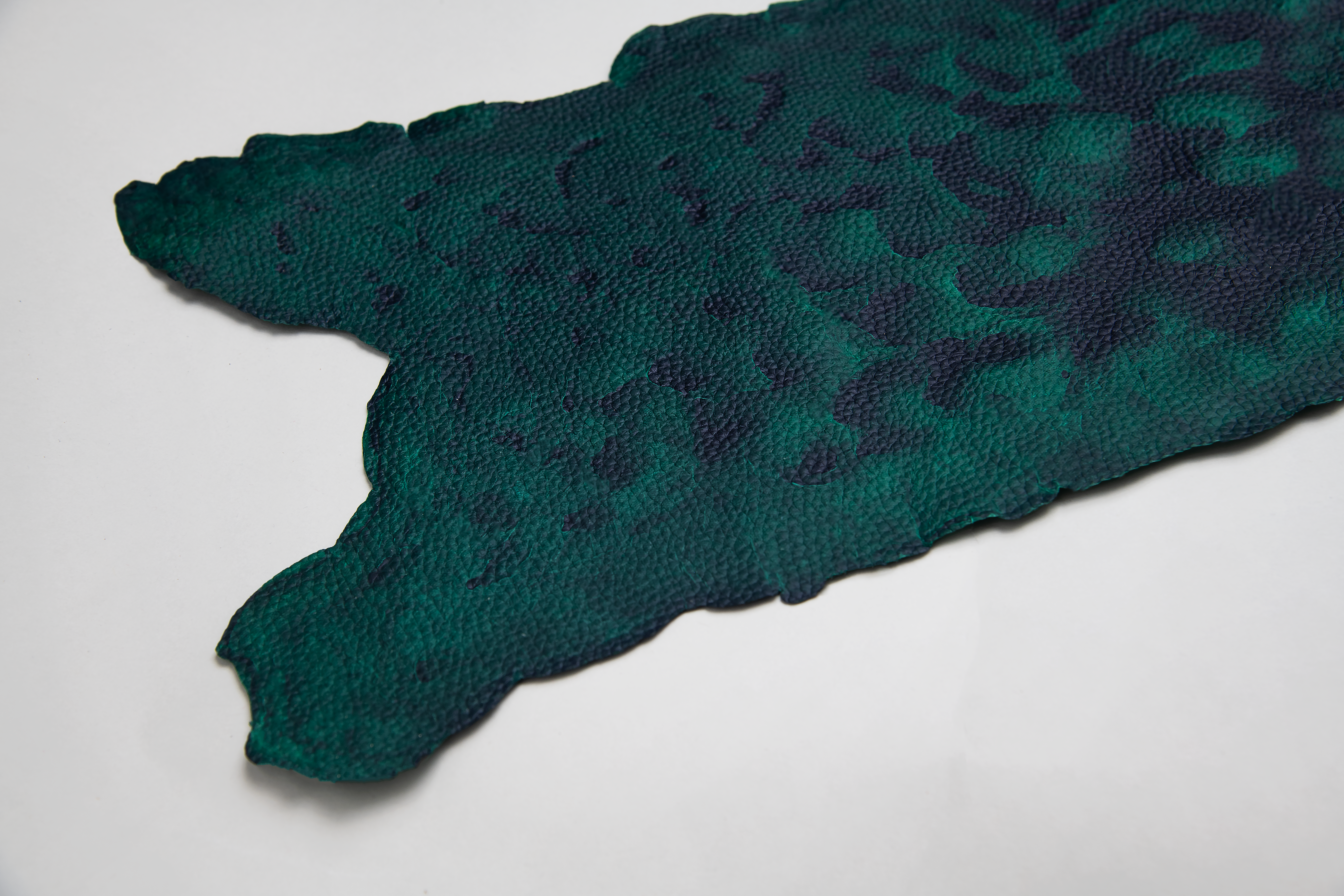
The aim of the pilot was to develop and test the next generation of mycelium-based alternatives to leather and foam materials. This project, spanning from December 2021 to March 2024, involved collaboration with major fashion brands to create sustainable materials suitable for consumer goods.

Biophilica Pilot
This pilot aimed to test, refine, and scale Treekind®, an alternative to animal and synthetic leathers made from green waste. The project focused on assessing the material’s performance, scalability, and manufacturing capabilities.

Full Circle Textiles Project – Polyester (FCTP-P)
The aim of the Full Circle Textiles Project – Polyester (FCTP-P) is to validate and scale promising technologies in polyester chemical recycling and to encourage financing and offtake commitments in the fashion industry. The project builds on the framework and lessons of the Full Circle Textiles Project – Cellulosics (FCTP-C), which focused on investigating economically viable and scalable solutions for cellulosic chemical recycling. It brings together a consortium of stakeholders including brands, innovators, supply chain partners and catalytic funders – a structure that has proven successful in driving and scaling disruptive innovation in the industry. This is an ongoing project.
Kintra Fibers Project
Fashion for Good alumni, Kintra Fibres produces a biopolymer which is a replacement for virgin polyester. Polybutylene succinate or PBS is a biopolymer made using industrial sugarcane as a feedstock, it is also biodegradable in aerobic conditions.
Full Circle Textiles Project – Cellulosics (FCTP-C)
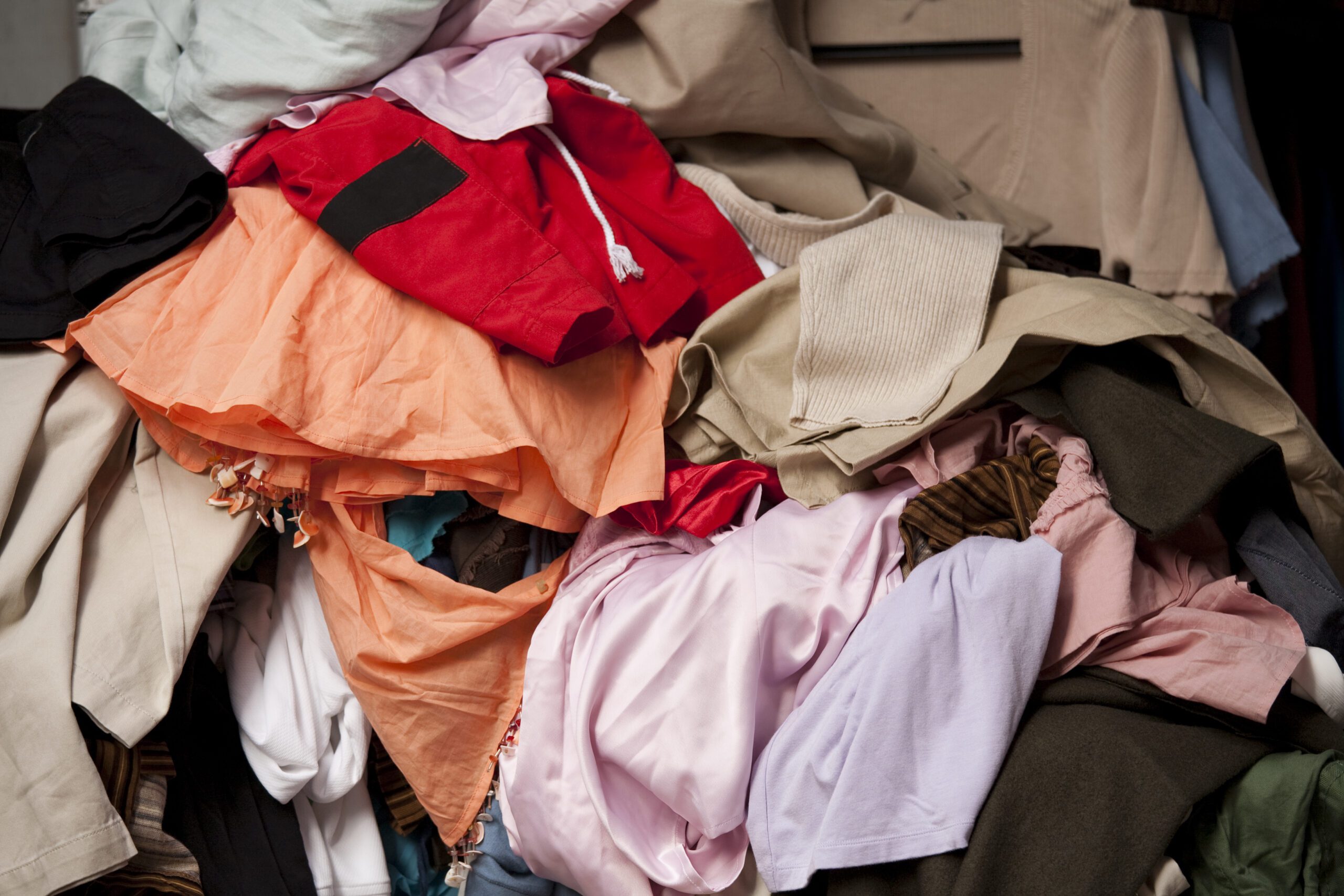
The ambition of the FCTP-C Project was to validate economically viable and scalable promising technologies in cellulosic chemical recycling from a select group of innovators to tackle these issues. Leading global organisations Laudes Foundation, Birla Cellulose, Kering, PVH Corp. and Target joined Fashion for Good to explore the disruptive solutions, with the goal of creating new fibres and garments from used clothing and ultimately drive industry-wide adoption.
Related Innovators

Livinguard Technologies
Livinguard Technologies AG is a Swiss materials science and technology company that focuses on the development of innovative surface-charge-based technologies that enhance the performance, functionality, and durability of materials used in textiles, nonwovens, hygiene products, and other industrial applications while enabling tangible sustainability impact and economic value for partners. The company offers solutions such as biocide-free textile odour-control, sustainable functional textile treatments, salt-free dyeing solutions, and functional nonwoven materials. Livinguard holds an extensive intellectual property portfolio with numerous patents and patent applications supporting its technology platform.

Colourizd
COLOURizd is a textile coloration company that developed QuantumCOLOUR™ a patent-pending machine-based yarn-colouration system to designed to replace traditional fibre-agnostic yarn dyeing across synthetic, cellulosic, recycled, and blended fibres minimising the number of water dye baths.

Matereal
Matereal is developing proprietary technology for the production of fully renewable non-isocyanate polyurethanes (NIPUs) for use in foams, coatings, and adhesives with footwear, fabrics and outdoor gear chosen as the initial target markets. Matereal uses oil from microalgae or other non-food sources, which give NIPUS with smaller carbon footprints when compared to materia made with isocyanates.

traceless
Traceless creates bio-based films and coats that are home compostable, do not compete with food production and are qualitatively a real alternative to conventional plastic – 100% biodegradable and compostable.

Rubi Laboratories
Rubi turns industrial CO2 emissions into drop-in cellulose pulp for MMC alternatives utilising a cell free, enzyme based direct biochemical process. Through mimicking the process of trees, Rubi’s technology can achieve cradle-to-gate carbon-negativity and produce output for use in existing textile mills.

Ponda
Ponda connects the regeneration of damaged wetlands to the production of healthier materials for the fashion industry. Their next-generation textile BioPuff ®, is a warm, lightweight and biodegradable insulation material made from one of the best plants for wetland regeneration.

Gencrest
Gencrest is a Biotech startup engaged in developing sustainable alternative natural fibre obtained from plants & post-harvest agri biomass. Gencrest R&D have a patented process “Fibrezyme” which is chemically neutral and uses biomolecule / enzymatic solution for converting these extracted raw plant-based fibre into soft spinnable fibre for Apparel & other Textiles.

Descatuk
Descatuk has developed a process of fibre extraction and yarn creation from grass to produce a fabric similar to Linen. Grown in the highlands of India, the wild grass needs neither water nor pesticides. Descatuk also has a positive impact on livelihoods by providing fair job opportunities for locals.

Balena
Balena has developed BioCir™, the first elastomer that is fully compostable while durable, flexible, soft, and smooth. It combines durability, comfort and 100% composability with a sustainable end-of-life plan.

GALY
GALY engineers cotton in labs, rather than farming, through multiplication of cells directly into the cotton fibre (removing steps of traditional cotton plantation). As a result they can grow cotton without the use of pesticides or fertilisers, using considerably less water.

Biophilica
Biophilica transforms garden and park waste into Treekind™ – a leather alternative that is compostable, plastic-free, and recyclable as green waste or into new Treekind™ material.

Lignopure
LignoPure has established a development platform for lignin-based alternatives in the material science field. The purpose is to create drop-in solutions that allow clients to to replace fossil-based materials in their composites, coatings, resins, and many others.

The Hurd Co.
The Hurd Co. engineers fibre pulp made from 100% agricultural waste feedstock to be converted into viscose alternatives. The zero waste Agrilose™ process uses less water and significantly less energy than conventional man-made cellulosic fibres.

UKHI Hemp Foundation
UKHI Hemp Foundation is a farm-to-market company, producing more than five hundred products from hemp, including hemp textiles, papers, bioplastics, composite, food products and medicines. They improve farmer and artisan livelihoods by training them to cultivate hemp and produce fabrics with higher hemp content using improvised fibre extraction processes.

Bagrotec
Bagrotec initiates and executes various sustainable bamboo processing projects for textile fibre production. Using a proprietary process, bamboo is mechanically processed before enzymes are applied to naturally produce organic bamboo fibre.

Materra
Materra is developing a technology for cotton agriculture that reduces water and fertiliser while also being grown in an insecticide-free environment. Materra is looking to achieve greater cotton growing efficiency by preventing waste of agricultural inputs, increasing delivery efficiency, and researching a range of biological pest control methods.
AeoniQ
AeoniQ™ is a joint venture between Altri Group and HeiQ Materials AG. AeoniQ™ offers a continuous cellulose filament yarn with enhanced tensile properties to replace polyester, nylon and MMCFs.

Fairbrics
Fairbrics have developed a process that creates ethylene glycol (a component of polyester) from waste CO2, with the resultant chemical having identical properties to petroleum-based ethylene glycol. This chemical allows end products to have the same properties as petroleum-based ethylene glycol, thus offering a CO2 based PET.

Spintex
Spintex have developed a spider inspired silk spinning process from a water-based solution of dissolved silk fibres, sourced from amongst others, post-consumer waste streams. The process is more energy efficient than plastic fibre formation therefore offering a sustainable alternative of next generation fibres and materials.

Imogo
Imogo offers a digitally enabled spray dyeing technology through its DyeMax machine, which uses a combination of a high-speed spray application with a proprietary autoclave fixation step, used for both dyeing and finishing. Their technology offers a lower use of water, chemistry, energy and increased accuracy and flexibility compared to conventional methods.

Kintra Fibers Inc
Kintra has developed a biobased and biodegradable polyester alternative from a novel, proprietary version of polybutylene succinate (PBS) derived from renewable feedstocks. PBS is used to produce yarns and consecutively fabrics (knits and wovens) for the textile industry.

IBANSS
IBANSS technology makes bamboo and agri-waste based granules that are alternatives to polyester pellets, are certified home compostable, and can be used to make fibres, fabrics and packaging that have fashion, medical and industrial applications.

Modern Synthesis
Modern Synthesis has developed a high performance petrochemical and latex free bacterial cellulose based composite to replace conventional Polyurethane and conventional leather. Their patent-pending ‘microbial weaving’ process employs bacteria to a cellulose-based composite material that is naturally biodegradable or closed-loop recyclable, with reduced emissions compared to PU leather.

Chlorohemp Agrotech
Chlorohemp Agrotech is developing large scale fully integrated hemp processing units and applying cutting edge biosciences to develop an effective research database on Indian Hemp varieties.

Green Whisper
Green Whisper develops, designs, and sells customised textiles produced from banana fibre, which is then woven into textiles. Using agriculture residues as raw materials limits the additonal virgin resources needed, and yarn production is done using zero chemicals.

9Fiber
9Fiber’s patented solution converts unwanted waste material from cannabis and industrial hemp industries into usable bast fiber and hurd to be used into a wide variety of commercial, industrial, paper and automative products.

Greenhope
Greenhope is a social technology enterprise manufacturing biodegradable technologies to address hard-to-recycle items that are too small, contaminated, not economically viable, or destined for landfills. Their Ecoplas bioplastic sources starch from local farmers and turn it into packaging for apparel, food, and non-food applications.

Phool
Phool upcycles floral waste from temples and mosques in India with their ‘flowercycling’ technology to make a florafoam that is a biodegradable, compostable, high-performing and inflammable alternative to Styrofoam as well as a bio-leather called Fleather also made from the flower waste.

SEFF
SEFF produces cottonised hemp fibres and blends of hemp fabrics utilising a patented Nano-Pulse™ cottonisation process which uses significantly less water and energy than conventional hemp cottonisation.

Agraloop
Agraloop offer a micro regional bio-refinery process designed to produce fibres from crop waste, which can then be processed using conventional cotton machinery. Through carbon sequestration and soil regeneration, Agraloop provides environmental benefits.

FARFARM
Farfarm is a regenerative and responsible supply chain consultancy. It supports brands and the industry to develop responsible fabrics using Agroforestry Systems that regenerate nature and promote social development for communities.

BioGlitz
BioGlitz produces biodegradable glitter made from eucalyptus tree extract that is pressed into a thin film. The eco-glitter is biodegradable and compostable, which allows for the sustainable consumption of glitter without the environmental damage associated with microplastics.

Keel Labs
Keel Labs yarns and fibres from kelp, a variety of seaweed. Keel Labs creates both clean materials and processes – fitting directly into existing manufacturing infrastructures with the final material being biodegradable and can be dyed with natural pigments in a closed loop cycle.

Bear Fiber
Bear Fiber produces cottonised hemp fibre, silver, yarn, textiles and finished garments. Their cottonisation process using less energy and water compared to standard processes.

Infinited Fiber Company
Infinited Fiber Company is a textile-to-textile recycler that has developed a technology that can turn cotton-rich textile waste into a cellulose carbamate fibre (InfinnaTM). This next generation process can divert waste that would otherwise be sent to landfill or incineration, and regenerate it into a new fibre for the textile industry.

Flocus
FLOCUS™ is the trademark for Kapok fibres offering an assortment of kapok textile materials such as fibres, yarns, textiles and non-wovens for a wide range of applications. Kapok is a natural fibre found in a non-food fruit crop that grows in many subtropical areas, and their trees need no irrigation, pesticides and fertilisers thus offering a more environmentally alternative to cotton.

Algaeing
Algaeing is a textile innovation company that uses microalgae to manufacture fibres and dyes in a closed loop system that can be used with existing production machinery. Algaeing claims that its algae-based technology uses no chemicals, no fertilisers, and does not emit CO2.

Provenance
Provenance produces animal-free type I collagen for the cosmetic, pharmaceutical and packaging industries. Using this technology to bio-engineer a true leather equivalent by programming the self-assembly of collagen molecules the building blocks of leather.

pond Textile
Pond Textile has developed a 100% plant based, biodegradable resin fibre derived from plant starch with the possibility for feedstock to be sourced from waste streams. This fibre offers a replacement for petroleum-derived polyester yet has a reduced carbon footprint in comparison.

Natural Fiber Welding
Natural Fiber Welding, Inc. (NFW) develops patented technologies based on the sustainable use of plants and natural fibres to create plastic-free, durable goods and textiles. NFW’s supply chains utilise renewable resources, waste feedstocks, and clean, closed-loop chemistries.

Paptic
Paptic manufactures bio-based alternative packaging materials that are made from sustainably sourced wood fibres, which can also be recycled alongside cardboard. This enables companies to reduce their plastic waste from packaging materials.

Orange Fiber
Orange Fiber patented and manufactures fabrics by repurposing waste from the citrus industry to create alternative cellulosic man-made fibres. Orange fiber does not release microplastics, has a reduced CO2 footprint compared to average environmental profiles of cellulose production and reduces need for virgin materials through waste utilisation.

Nanollose
Nanollose’s sustainable Plant-Free rayon fibre is derived using microbes that convert biomass waste products from the beer, wine and liquid food industries into microbial cellulose, in a process that takes less than one month and requires very little land, water or energy. The microbial cellulose is then converted into rayon fibres using the Nanollose technology which is compatible with existing industry processing and manufacturing equipment.

AltMat
AltMat uses a proprietary technology consisting of the combination of mechanical, chemical and enzymatic processes to produce Altag, an industrial fit natural fibre made of agricultural residues from food crops (for example, residual stems of hemp) sourced directly from farmers and hemp producers.

Spinnova
Spinnova has developed a proprietary technology to mechanically convert pulp from wood or other waste sources into a new Spinnova fibre. Their process operates without the use of harmful chemicals typically used in conventional viscose fibre production, thus creating an opportunity for reduced impact.

Checkerspot
Checkerspot designs performance materials at a molecular level by optimising microbes to biomanufacture unique structural oils produced in nature, but not previously accessible at commercial scale. Materials (unique oils) are produced via closed system fermentation without harmful chemicals and have a lower carbon footprint than other petroleum or other plant based oils.

Polybion
Polybion is growing premium, next-generation materials designed with nature and manufactured with biology. Their first product, Celium™, is a premium alternative to animal-based leather and petroleum-derived synthetics. It is grown by feeding bacteria with agroindustrial fruit waste; the bacteria, in turn, creates cellulose, a natural polymer.

Cocoon Biotech
Cocoon Biotech has developed a bio-technology platform designed to produce a bio-compatible silk protein from raw cocoon silk, post-consumer silk waste and supply chain waste. This gives a possible circualr recycling route for silk textiles thus reducing demand for virgin resources.

Ambercycle
Ambercycle is a textile-to-textile recycler that converts polyester textile waste into cycora yarns® (a regenerated alternative to virgin polyester) for apparel brands and manufacturers. Their process uses polyester textile waste as feedstock, which is then purified and further converted into polyester pellets to make the cycora yarn, out of which new clothes can be made – thus reducing demand for virgin materials.

ZymoChem
ZymoChem offers bio-based materials powered by proprietary carbon conserving (C2) microbes that convert renewable feedstocks into high-value materials while radically minimising CO2 loss during the production phase. The efficiencies of their platform unlock superior economics – up to 50% lower cost than incumbents with a higher yield compared to today’s best in class biomanufacturing.

Lucro
Lucro produces high quality recycled plastic waste to make products, ultimately seeking to close the loop. Lucro caters to big industries including retail, FMCG and automotive, exporting their products to the US and Europe.

Dryfiber
The DRYFIBER polymer chemistry involves applying a thin polymeric coating to textiles, creating a microscopically rough surface that acts as a chemical barrier. This coating repels oil-based stains while maintaining fabric texture and softness. DRYFIBER is ideal for industrial fabrics, apparel, upholstery, automotive textiles, and carpets. It can be dip or spray-coated, offering a high-performance, non-fluorinated alternative.

MYCL
MYCL produces a leather like material by binding agricultural waste with mycelium – mushroom roots. The natural components of the product makes the product sturdy and lightweight which makes it possible to customise forms into various shapes and products. By using agricultural waste Myotech provides farmers with an additional income and keeps the waste from being burned.

Econic
Econic develop catalyst chemistry used to turn waste CO2 into raw material for the production of polyols. Econic can create new value from waste CO2 and significantly reduce the energy required for these reactions to occur, helping polyol manufacturers use the catalyst technology to manufacture products.

RePack
RePack is a reusable packaging innovator, creating and implementing a business model for ecommerce, where the packaging is sent back to the brand/retailer for re-utilization. Reusing packaging in this way reduces waste and carbon emissions of the packaging process.

Paques Biomaterials
Paques Biomaterials converts organic residues, such as food waste and industrial wastewaters (e.g., from paper processing), into biopolymers that can replace polymers used in agricultural products, packaging and textiles. These biopolymers, called PHBVs, are marketed under the name Caleyda® and are home compostable and marine degradable.

Mango Materials
Mango Materials uses waste methane to produce PHA pellets which can be then either melt spun or injection moulded to make fibres or packaging respectively. PHA can be used as a replacement for conventional polyester, thus is a replacement for synthetic fibres and packaging which is compostable.

Circ
Circ is a textile-to-textile chemical recycler with the ability to recycle different types of textile waste (polyester-based, cellulosic-based and blended). In doing so, Circ produces virgin-equivalent outputs (like dissolving pulp for lyocell fibre production and polyester monomers for PET production) that can be sold downstream to produce new recycled materials.
MycoTEX
MycoTEX offers an automated, seamless production technology to create custom-fit products out of biodegradable textiles made from mycelium. The technology reduces waste assoicated with cut & sew operations, and replaces plastics and leathers with compostable materials.

Bananatex
Bananatex provides an alternative material for the textile industry made from 100% banana fibre. Abacá (Musa Textilis) banana plants grow in agroforestry environments in the Philippines, not requiring chemicals or additional water besides rainfall, to grow. The stalks of these plants are cut, the fibres are extracted and further processed to make a new yarn and fabric with the potential to replace synthetic materials like polyester (PET).

Ecovative
Ecovative utilises mycelium and agricultural waste streams to develop products with applications in food, fashion, beauty and other industries. The Ecovative Mycelium Foundry is built on an extensive library of fungal strains to test and perfect new mycological materials. Strains selected from this process go through their proprietary AirMycelium™ process to grow unique bio-materials fine-tuned for specific applications e.g. as leather alternatives.
Pulcra Chemicals
Pulcra Chemicals is a global specialty chemicals manufacturer headquartered in Germany with over 150 years of experience in textile auxiliaries. The company supplies chemical products for the fiber, textile, and leather industries across 16 locations globally, with regional technical support in major production markets.

Frumat
Frumat uses industrial waste apple pecting to create a leather-like material and other products which can be dyed naturally and tanned without chemically intensive techniques. This leather alternative has a reduced carbon footprint compared to cow leather, and eliminates any animal welfare issue.

Worn Again
Worn Again uses a solvent-based technology that can recover PET and cellulose from pure and blended poly-cotton fibres, with the resulting PET material free from dyes and other contaminants and restored to virgin equivalent quality/specification.

Danimer Scientific
Danimer Scientific specialises in converting plant-based oils into biodegradable polymers that serve as sustainable alternatives to traditional petroleum-based plastics. Their flagship product, Nodax® PHA, is utilised in various applications, including packaging, agricultural products, and textiles. Nodax® is both home compostable and marine degradable.


Virent
Virent uses its patented BioForming® technology to create the fuels and chemicals the world needs from a wide range of naturally occurring, renewable resources. Its patented catalytic chemistry converts biobased carbohydrate feedstocks into products molecularly identical to those made from petroleum. Virent’s technology can produce a range of fuel products, including gasoline, diesel, and jet fuel, as well as chemicals used for plastics, fibres and films.

Zydex
Zydex is a specialty chemicals company committed to the conservation of resources offering a diverse set of chemical technologies for the Textile, Agriculture, Pavement and Construction Industries. Zydex manufactures globally benchmarked pigment printing thickeners, dyeing & levelling chemicals, binders and additives.

ACME
The ACME AM-ICD is a high-temperature, high-pressure (HT/HP) machine specifically engineered for the exhaust dyeing of fabrics. It features an Intelligent Conveyor Drive system for mechanical fabric transport, which replaces traditional hydraulic systems allowing an ultra-low liquor ratio.

Baldwin
Fuelled by 100 years of innovation, Baldwin Technology Company Inc. is a leading global manufacturer and supplier of innovative process automation, equipment, parts service and consumables for a number of industries, including printing, packaging, textiles, and electronics. Operating in 14 locations across 10 countries, Baldwin’s innovations have improved workflow automation and process efficiency.
FAQ's
What do you mean by “next‑gen materials”?
Novel and innovative fibres and materials with desired improved environmental and/or social outcomes when compared with conventional options; are currently in early stages of commercialisation or development; and require further technological advancement and cost optimisation for widespread adoption. This next generation of fibres and materials promises to advance solutions for the sustainability and circularity challenges faced by the industry. The vision is for these materials to transition from “next generation” to “preferred existing” status.
Why is Fashion for Good prioritising next-generation materials?
Beyond aesthetics, materials are pivotal to the fashion industry’s environmental footprint: They account for 92% of the industry’s total emissions through their extraction, processing, and production. When it comes to the cost structure of garments, materials represent around 30% of cost of goods sold (COGS)—ranging from 15–25% in luxury to up to 60% in the mass market.
How large is the current adoption of next-gen materials?
Today, next-gen materials account for less than 1% of global fibre production.
What is the adoption potential for next-gen materials by 2030?
According to Fashion for Good and BCG, next-gen materials could represent ~8% of total fibre market (≈ 13 million tonnes) by 2030 (excluding leather alternatives).
What are the main barriers to scaling next-gen materials?
- Cost premium relative to conventional materials
- Technical and performance validation risks
- Difficulty in aggregating demand and reducing market fragmentation
- Challenges in accessing capital and optimal financing models
How does Fashion for Good help overcome barriers to scale?
- Demand: via demand pooling (e.g. Fiber Clubs) and transition pricing mechanisms (e.g. Price Parity toolkit)
- Cost & de-risking: through validation projects to prove performance and share cost stability, through collective mechanisms to drive supply chain efficiencies
- Capital: by structuring financing and matching scaling partners
What is the “Price Parity Toolkit”?
A framework designed to bridge the price gap between next-gen and conventional materials. It introduces financing and pricing mechanisms that decouple cost premiums, enabling earlier adoption.
Relevant Resources
Explore tools, news, reports, and insights at the forefront of creating a positive future for the fashion industry.
Bending The Adoption Curve: Next-gen Materials To Reach 8% Of Fiber Market By 2030

Understanding 'Bio' Material Innovations: A Primer for the Fashion Industry Report

The Next Generation of Materials... From Waste

In Conversation with Renewcell: The Innovator Turning Worn-out Clothes into Next-gen Materials

5 FAQS About ‘Leather’ Alternatives

